
- By Best Solar Company PK
- 23 Sep, 2026
- Buying Guide
- 8 min read @@METATITLE@@ 50GW Imported: Why Go Solar Now in Pakistan (2026) @@METADESC@@ 50GW panels imported vs 41GW grid capacity, solar ~20% of power. Proof to go solar in Pakistan now + a 2026 buyer's guide with real PKR prices.
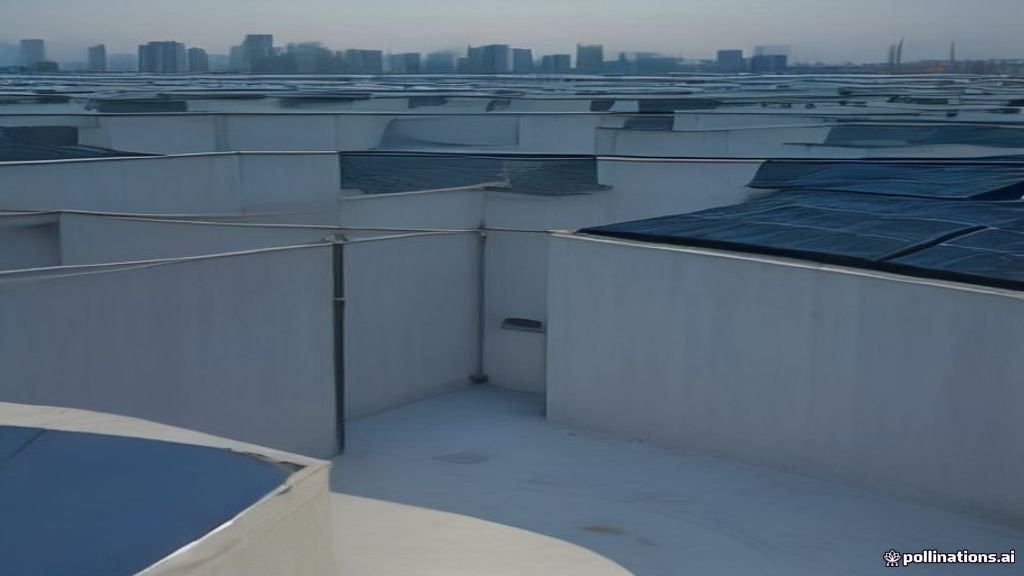
Something historic is happening on the rooftops of Pakistan. In just five years, the country imported more than **50 gigawatts (GW)** of solar panels — worth roughly **$18 billion** — while the entire national grid's dependable capacity hovers near **41GW**. Let that sink in: Pakistanis have privately bought enough solar hardware to rival, and arguably exceed, the whole centralised power system. If you have been waiting for a "sign" before you go solar in Pakistan, this is it.
By early 2026, analysts estimated Pakistan's *operational* solar capacity had crossed **50GW**, and solar is now expected to supply close to **20% of the country's electricity**. This is not a government mega-project. It is millions of homeowners, shopkeepers, farmers and factory owners voting with their wallets against loadshedding and punishing grid tariffs.
The numbers that prove the shift is permanent
A trend becomes permanent when it stops depending on subsidies and starts depending on plain economics. That is exactly where solar in Pakistan sits today.
- **50GW+ imported in five years** — with roughly 33GW already installed and more going up every month (Business Recorder).
- **~20% of electricity from solar** — a jump from near-zero a decade ago (pv magazine).
- **Grid electricity keeps getting costlier**, while panel prices have collapsed to around **PKR 34–45 per watt**.
When private citizens quietly import more generating capacity than the national grid, the energy transition is no longer a forecast — it is already the reality on your street.
This is what economists call an irreversible tipping point. Chinese panel oversupply, a weak rupee that makes imported grid power expensive, and years of loadshedding have created a "perfect storm" that the World Resources Institute has documented in detail. The hardware is here, installers are everywhere, and demand is self-sustaining.
What changed in 2026: net metering became net billing
Here is the one update every buyer must understand before signing anything. Under the **NEPRA (Prosumer) Regulations, 2026**, Pakistan replaced the decade-old *net metering* system with *net billing* for new solar consumers.
- **Old net metering:** you exported surplus units and got a 1-for-1 credit, effectively at retail rates (around **Rs25.32/unit**).
- **New net billing:** you pay full retail price for units you import, but exported units are bought back separately at a much lower rate — **about Rs8.13/unit** (linked to the National Average Energy Purchase Price, roughly Rs11).
- **Contract term** for new applicants dropped from **7 years to 5 years**.
- **Grandfathering:** valid agreements signed **before 9 February 2026** keep their old, higher rate until expiry (Profit by Pakistan Today).
**The practical takeaway:** the economics now reward *self-consumption*, not exporting. Sizing your system to power your own load — and adding a battery to shift daytime solar into the evening — matters more than ever. Always confirm the current tariff on the official NEPRA website before you buy.
What a solar system actually costs in Pakistan (2026)
Prices vary by brand, inverter and battery, but here are realistic all-in, installed 2026 figures to budget around.
| System size | Type | Typical installed price (PKR) | Best for | |---|---|---|---| | 5 kW | On-grid (net billing) | 496,000 – 650,000 | Small homes, ~PKR 25–40k bills | | 5 kW | Hybrid + lithium battery | 771,000 – 1,093,000 | Homes needing backup | | 10 kW | On-grid (net billing) | 950,000 – 1,200,000 | Large homes, small shops | | 10 kW | Hybrid + lithium battery | 1,400,000 – 1,700,000 | Villas, offices, clinics |
For a household with a monthly bill of **PKR 35,000 or more**, a well-sized **10 kW on-grid system typically pays for itself in about 2.5 to 3.5 years** — and then delivers largely free power for another 20+ years. Even under the new, lower buyback rate, self-consumption savings keep payback well inside four years for most heavy users.
A practical buyer's guide: how to join the shift
Follow these steps and you will avoid the mistakes that trap first-time buyers.
1. **Audit your bill first.** Note your monthly units (kWh) and peak load. This decides your system size — not a salesman's guess. 2. **Size for self-consumption.** Under net billing, a system that covers 80–100% of your *own* daytime use beats an oversized one built to export. 3. **Decide on-grid vs hybrid.** If loadshedding hurts you, budget for a hybrid inverter and a lithium battery now — retrofitting later costs more. 4. **Insist on Tier-1 panels and a reputable inverter.** Cheap "B-grade" panels degrade faster and can void financing. Ask for the datasheet. 5. **Check the installer, not just the price.** Demand references, a written performance warranty, and proper earthing and DB work. 6. **Get your net-billing agreement processed correctly** with your DISCO (LESCO, K-Electric, IESCO, etc.). Read our net billing vs net metering explainer before signing.
For a deeper cost breakdown, see our 10kW solar system price guide and our hybrid vs on-grid comparison.
Why waiting costs you money
Every month you stay fully on the grid, you pay retail tariffs that keep climbing. Panel prices, meanwhile, are near historic lows because of global oversupply — a window that may not stay open forever as demand and rupee pressure evolve. The buyers who locked in pre-February 2026 net metering are already ahead; the next best time to act is now, on today's low hardware prices.
Frequently Asked Questions
**Is it still worth going solar in Pakistan after net billing replaced net metering?** Yes. Net billing lowers the value of *exported* units, but it does nothing to reduce the savings on power you generate and use yourself. With bills rising and panels cheap, a self-consumption-focused system still pays back in roughly 3–4 years for most homes and businesses.
**How many solar panels has Pakistan actually imported?** Independent studies put imports at over **50GW in five years** (worth about $18 billion), with operational capacity estimated above 50GW by 2026 — more than the national grid's ~41GW dependable capacity. Solar now supplies close to 20% of the country's electricity.
**Should I add a battery under the new rules?** Increasingly, yes. Because exported units earn only ~Rs8.13 each while imported units cost full retail, storing your daytime solar in a lithium battery for evening use protects far more value than selling surplus back to the grid.
**What size system do I need for a PKR 40,000 bill?** Roughly a 7–10 kW system, depending on your daytime usage and roof space. Always size from your actual monthly units, not a rule of thumb — a quick load audit is the single most valuable step.
The bottom line
The 50GW of panels already sitting on Pakistani rooftops is proof this transition is permanent, not a fad. Grid power is only getting more expensive; sunlight is free. The smart move in 2026 is to size a system for your own consumption, choose quality hardware and a trustworthy installer, and lock in today's low prices. **Ready to go solar? Get a free, no-obligation quote from Best Solar Company PK and find out exactly what your rooftop can save.**
Best Solar Company PK designs and installs reliable solar systems in Rawalpindi, Islamabad, Lahore, Multan, Taunsa Sharif and Karachi. Contact us for a free survey and the best advice for your home or business.