


Solar News & InsightsMT Solar & Electronics
24
Oct
- By Best Solar Company PK
- Buying Guide
Solar Panel Prices in Pakistan Hit a Winter 2026 Low — Why Now Is the Best Time to Buy
585W panels have slipped to Rs19,000–23,000 as a post-budget no-new-tax window meets the winter demand slump. Here's why this is the cheapest buying window of the year — and how to lock it in before spring.
Read More
24
Oct
- By Best Solar Company PK
- Solar Policy
PM Orders Re-Verify of Rs8.13 Net-Billing Buyback Rate: Should Solar Buyers Install Now or Wait?
PM Shehbaz has ordered NEPRA and the Power Division to re-verify the slashed Rs8.13/unit net-billing buyback rate. Here's what a possible upward revision means for new solar buyers in 2026 — and whether you should install now or wait.
Read More
24
Oct
- By Best Solar Company PK
- Net Metering
Filed Before 8 Feb 2026? How to Lock In the Old Rs25.32 Net-Metering Rate
The power minister has ordered every DISCO to clear net-metering applications filed before 8 February 2026 under the old Rs25.32/unit rules. Here's exactly how pending applicants claim those grandfathered rates and chase down a stuck file.
Read More
23
Oct
- By Best Solar Company PK
- Solar Policy
Rs8.13 Net Billing Buyback Rate Under Review: Install Solar Now or Wait?
PM Shehbaz has ordered NEPRA and the Power Division to re-verify the slashed Rs8.13/unit net billing buyback rate. Here's what a possible upward revision means for Pakistani solar buyers trying to decide between installing now or waiting it out.
Read More
23
Oct
- By Best Solar Company PK
- Buying Guide
585W Solar Panels Drop Rs8,000 to ~Rs19,000: Buy Now or Wait?
Tier-1 585W panel prices have slid by up to Rs8,000 as winter demand cools, with budget plates nearing Rs19,000. Here's whether this October 2026 dip is the one to buy — or just the start of a longer slide.
Read More
23
Oct
- By Best Solar Company PK
- Energy Savings
Rs1.11 FCA Hike in October 2026: Why Rooftop Solar Still Pays in Pakistan
NEPRA's new Rs1.11/unit fuel cost adjustment adds roughly Rs16 billion to October 2026 electricity bills. Here's how these compounding monthly surcharges work—and why rooftop solar is still the smartest hedge for Pakistani homes and businesses.
Read More
23
Oct
- By Best Solar Company PK
- Net Metering
DISCOs Blame Rooftop Solar for Rs34bn Hole: Lock In Value Now
Power companies are pinning an 8.66% demand drop and a Rs33.8bn revenue shortfall on rooftop solar — fuelling buyback cuts, fixed charges and talk of gross metering. Here's why it's happening and how to protect your returns before the next round of tightening.
Read More
22
Oct
- By Best Solar Company PK
- Solar Policy
PM Orders NEPRA to Re-Verify the Rs11 Solar Buyback Rate — It's Not Final Yet
On October 22, PM Shehbaz Sharif directed the Power Division and NEPRA to re-verify the proposed Rs11 solar buyback rate and its system-wide impact before finalizing the prosumer reform. Here's what the pause means for Pakistani buyers deciding now.
Read More
22
Oct
- By Best Solar Company PK
- Energy Savings
November 2026 Bills: The Rs2.56 FCA Hike and Why Solar Self-Consumption Wins
A projected Rs2.56/unit September fuel cost adjustment will add roughly Rs32.7 billion to Pakistan's November 2026 electricity bills. Here's how every FCA hike quietly widens the savings from solar self-consumption.
Read More
22
Oct
- By Best Solar Company PK
- Buying Guide
Solar Panel Price in October 2026: A-Grade N-Type Rates & Full 5kW Cost Breakdown
Live October 2026 solar panel prices in Pakistan — A-grade N-type panels at Rs39–43.5/watt and a complete 5kW system from roughly Rs3.3–4.5 lakh (Rs4.9–7.3 lakh with lithium). Here's the full PKR cost breakdown.
Read More
22
Oct
- By Best Solar Company PK
- Net Metering
NEPRA's 2026 Prosumer Rules: The End of Net Metering Unit Banking in Pakistan
NEPRA's 2026 Prosumer Regulations scrap the one-to-one unit exchange that let solar owners zero out their bills. Here's exactly what now happens to the units you export versus the units you consume.
Read More
21
Oct
- By Best Solar Company PK
- Solar Policy
KP Free Solar Scheme 2026: 130,000 Homes, Rs20bn, How to Apply
Khyber Pakhtunkhwa's Rs20bn "Solarisation of Houses" project gives free 2kW solar systems to 130,000 BISP/Ehsaas households, chosen by electronic balloting. Here's who qualifies and how to register.
Read More
21
Oct
- By Best Solar Company PK
- Energy Savings
6th Straight FCA Hike: Why Rs2.56/Unit Is Coming to Your Bill — and How Solar Caps the Damage
CPPA-G wants a sixth consecutive fuel charge adjustment of Rs2.56/unit for September, stacking on the Rs1.11 already hitting October bills. Here's why bills climb despite a power surplus — and how going solar caps your fuel-charge exposure.
Read More
21
Oct
- By Best Solar Company PK
- Net Metering
PM Orders Review of Rs8.13 Net-Billing Buyback Rate: Should You Buy Solar Now or Wait?
PM Shehbaz has directed NEPRA and the Power Division to re-verify the slashed Rs8.13/unit net-billing buyback rate. Here is what a revision could mean for your solar payback — and whether to lock in now or wait.
Read More
21
Oct
- By Best Solar Company PK
- Buying Guide
Pakistan's 7.2GW Chinese Panel Glut: Should You Buy Solar Now?
Pakistan imported ~7.2GW of Chinese solar panels in just seven months of 2026, becoming the world's 2nd-largest buyer. Here's what this record glut means for panel prices, availability and quality for home buyers right now.
Read More
20
Oct
- By Best Solar Company PK
- Solar Policy
Net Metering Buyback Rate Review: What PM Shehbaz's Order Means for Pakistani Solar Owners
PM Shehbaz ordered the Power Division to re-verify the proposed Rs22→Rs11.30 net metering buyback cut and to check whether existing contracts can legally be changed. Here's what it means for current and new solar owners.
Read More
20
Oct
- By Best Solar Company PK
- Energy Savings
September FCA of Rs2.56/Unit Hits November Bills — Here's How Solar Shields You
The September fuel cost adjustment of Rs2.56/unit — nearly triple October's Rs1.11 — goes to NEPRA's October 29 hearing and lands on your November bill. Here's why solar self-consumption is the only real shield from these monthly FCA shocks.
Read More
20
Oct
- By Best Solar Company PK
- Buying Guide
Solar Panel Price October 2026: Lock In Rates Now or Wait?
Live October 2026 solar panel prices in Pakistan are holding steady after the pre-budget spike settled — standard Longi, Jinko, Canadian and Trina panels sit around Rs26–35/watt. Here's whether to buy now or wait.
Read More
19
Oct
- By Best Solar Company PK
- Energy Savings
NEPRA's Rs350 Fixed Charge Now Hits Even Protected Homes — Here's How Solar Still Wins
NEPRA's new up-to-Rs350/month fixed charge now lands on protected and sub-300-unit households too. Solar can gut your unit charges, but not this flat line — here's how to size your system around it.
Read More
19
Oct
- By Best Solar Company PK
- Solar Policy
September FCA: Another Rs2.56/Unit Bill Hike — Why Solar Users Don't Pay
CPPA wants Rs2.56 per unit more for September fuel costs at NEPRA's October 29 hearing — stacked on the Rs1.11 already in your October bill. Here's why rooftop solar self-consumption sidesteps these relentless monthly hikes.
Read More
16
Oct
- By Best Solar Company PK
- Solar Policy
CTBCM Open Power Market: What Choosing Your Own Electricity Supplier Means for Solar Buyers
Pakistan's new CTBCM competitive market lets 1MW+ industrial and commercial consumers pick their own supplier and wheel power over the grid. Here's what the open power market means for your solar strategy and your PKR bill.
Read More
16
Oct
- By Best Solar Company PK
- Energy Savings
August FCA Shock: Why Your October 2026 Bill Jumps — and How Solar Stops It
NEPRA's August fuel cost adjustment lands on October 2026 bills — CPPA-G sought Rs1.7267/unit (~Rs29.5bn) and regulators cleared Rs1.1086/unit. Here's why FCA shocks keep repeating and how solar self-consumption shields you.
Read More
16
Oct
- By Best Solar Company PK
- Buying Guide
Pakistan's Battery Import Boom: Buy a Lithium Battery Now or Wait for Local Cells?
Lithium battery imports jumped 220% in 2025 and a Kohinoor–Hebei plant was just announced. We break down whether Pakistani solar buyers should grab lithium now or wait for locally-made cells and lower prices.
Read More
15
Oct
- By Best Solar Company PK
- Solar Policy
PM Shehbaz Orders Net-Billing Buyback Rate Review: Install Now or Wait?
PM Shehbaz has ordered NEPRA and the Power Division to re-verify the slashed Rs8.13/unit net-billing buyback rate, with a possible upward revision on the table. Here's what a pending reversal means for Pakistani solar buyers deciding whether to install now or wait.
Read More
15
Oct
- By Best Solar Company PK
- Net Metering
NAEPP Rs11/Unit: How Pakistan's New Export Rate Cuts Your Solar Value
Under NEPRA's 2026 net billing rules, your solar exports now earn the National Average Energy Purchase Price of about Rs11/unit — while you still pay Rs35–55 to import. Here's what that gap really costs rooftop owners.
Read More
15
Oct
- By Best Solar Company PK
- Buying Guide
Solar Panel Price in Pakistan (October 2026): Live Per-Watt Rates — Should You Buy Now?
A-grade Tier-1 panels are selling at Rs39–46 per watt this October 2026, with LONGi, Jinko Tiger Neo and JA Solar 585W modules in a tight band. Here's what's driving prices and whether they've stabilised enough to buy.
Read More
15
Oct
- By Best Solar Company PK
- Energy Savings
Rs1.11 FCA Hike Hits October Bills: How Rooftop Solar Shields You
NEPRA has added a Rs1.11/unit August fuel cost adjustment to October 2026 electricity bills — a nationwide hit of roughly Rs16 billion. Here's how rooftop solar self-consumption protects your home from these recurring FCA shocks.
Read More
14
Oct
- By Best Solar Company PK
- Buying Guide
Solar Battery Storage in Pakistan: Why Storing Beats Selling in 2026
Panel imports fell 61% while battery imports surged sixfold in 2026. With net billing paying just Rs10–11 per exported unit, adding solar battery storage in Pakistan now saves far more than selling to the grid.
Read More
14
Oct
- By Best Solar Company PK
- Energy Savings
Rs1.11 FCA Hits October Bills: Why Every Self-Used Solar Unit Now Saves Rs45–55
NEPRA's Rs1.11/unit August fuel adjustment lands on October 2026 bills, piling another multi-billion-rupee burden on consumers. Here's how relentless FCAs push the true value of each self-consumed solar unit to Rs45–55 — and why that reshapes your payback math.
Read More
13
Oct
- By Best Solar Company PK
- Solar Policy
NEPRA Gross Metering at Rs11.30: What New Solar Owners Must Know in 2026
NEPRA's draft shifts new rooftop solar consumers from net metering to gross metering at a Rs11.30/unit buyback — half the Rs22 that existing 7-year holders still get. Here's what it means for your savings and payback.
Read More
13
Oct
- By Best Solar Company PK
- Net Metering
PM Orders Solar Buyback Tariff Review After Backlash: Lock In Now or Wait?
After fierce public and cross-party backlash, PM Shehbaz has directed the Power Division and NEPRA to re-verify Pakistan's slashed solar buyback tariff. Here's whether a U-turn is really coming — and whether prosumers should sign an agreement now or wait.
Read More
13
Oct
- By Best Solar Company PK
- Energy Savings
October 2026 FCA: Rs1.11/Unit Bill Hike — How Solar Self-Consumption Shields You
NEPRA has approved a Rs1.11/unit fuel cost adjustment for October 2026 bills, adding a Rs16bn burden on consumers. Here's why maximizing solar self-consumption is now your best hedge against monthly FCA volatility.
Read More
12
Oct
- By Best Solar Company PK
- Solar Policy
PM Orders a Solar Buyback Tariff Review: Install Now or Wait?
PM Shehbaz has directed NEPRA to re-verify the slashed Rs8.13 solar buyback tariff. We break down what the pending review means for Pakistani homeowners and businesses — and whether it pays to install solar now or hold off.
Read More
12
Oct
- By Best Solar Company PK
- Net Metering
Stuck Net Metering File? You May Still Keep the Old Unit-for-Unit Terms
The government's partial rollback lets pre-9-Feb-2026 pending and backlog net metering applicants keep the old 1:1 unit-for-unit deal. Here's exactly how to check whether your stuck DISCO file still qualifies — and what to do if it does.
Read More
12
Oct
- By Best Solar Company PK
- Energy Savings
October 2026 FCA: Rs1.11/Unit Hike Is Quietly Shortening Your Solar Payback
NEPRA's Rs1.11-per-unit October fuel adjustment adds roughly Rs16 billion to Pakistani bills. Here's why each new FCA makes rooftop solar pay for itself faster — and exactly who is exempt.
Read More
11
Oct
- By Best Solar Company PK
- Net Metering
Net Metering Old Rate: How Pending Applicants Lock In Rs25/Unit
NEPRA's partial rollback keeps the net metering old rate (~Rs25.9/unit, 7-year term) for solar files already in the DISCO queue before 9 February 2026. Here's exactly who qualifies and how to secure the legacy tariff before your file is closed out.
Read More
11
Oct
- By Best Solar Company PK
- Solar Policy
NEPRA Buyback Rate Under Review in 2026: Should You Install Solar Now or Wait?
PM Shehbaz has ordered NEPRA to re-verify the slashed Rs8.13/unit net-billing buyback rate. Here's what a likely upward revision means for Pakistani homeowners deciding whether to install solar now or wait.
Read More
11
Oct
- By Best Solar Company PK
- Energy Savings
Net-Metering Installs Fell 27.2% — Is Rooftop Solar Still Worth It in Pakistan?
New net-metering connections dropped 27.2% month-on-month in August 2026 after NEPRA switched to net billing. We run the real PKR numbers to see whether rooftop solar still pays — and why high self-consumption is now the whole game.
Read More
11
Oct
- By Best Solar Company PK
- Energy Savings
Winter Bijli Sahulat Rs26.07 Rate vs Solar: Does the Math Still Favour Panels?
Pakistan's winter Bijli Sahulat package charges a flat Rs26.07/unit on above-average usage from December to February. Here's whether cheaper seasonal grid power actually dents your solar-plus-battery payback this winter.
Read More
10
Oct
- By Best Solar Company PK
- Net Metering
NEPRA Grandfathering Clause: Rs25.32 Locked for 7 Years
NEPRA's draft amendment adds a grandfathering clause that locks existing net-metering users at Rs25.32/unit for their full remaining 7-year term. Here's what changes — and how to file your comment in the 30-day window.
Read More
10
Oct
- By Best Solar Company PK
- Energy Savings
Rs1.11 Fuel Adjustment Hits October Bills: Why FCAs Keep Stacking — and How Solar Beats Them
NEPRA's freshly-approved Rs1.11/unit fuel cost adjustment for August lands on your October 2026 bill, piling roughly Rs19bn onto consumers nationwide. Here's why these surcharges never stop — and how solar self-consumption quietly sidesteps them.
Read More
10
Oct
- By Best Solar Company PK
- Energy Savings
Winter 2026-27 Gas Rationing: Switch to Solar-Electric Heating Before the Cold
With LNG imports squeezed to as few as 10–12 cargoes and the PM pushing households off gas heating, moving your water and space heating to solar-electric now is the smartest winter hedge. Here's what it costs and how to plan it.
Read More
10
Oct
- By Best Solar Company PK
- Solar Policy
PM Orders Rs8.13 Buyback Rate Review: What Solar Buyers Should Do Now
PM Shehbaz has ordered NEPRA and the Power Division to re-verify the slashed Rs8.13/unit solar buyback rate before reforms are finalized. Here's exactly what prospective buyers should do while the rate is in flux.
Read More
09
Oct
- By Best Solar Company PK
- Energy Savings
NEPRA's Rs1.11/Unit October FCA Hike: Why Daytime Solar Self-Consumption Is Your Only Shield
NEPRA just notified a Rs1.11 per unit fuel cost adjustment on October 2026 bills — an extra Rs16 billion burden on consumers. Here's why maximizing daytime solar self-consumption is the only reliable way to protect yourself from these monthly FCA shocks.
Read More
09
Oct
- By Best Solar Company PK
- Net Metering
Solar Size Now Capped at Your Sanctioned Load: SRO 251(I)/2026 Explained
Pakistan's new prosumer rules cap your solar size at your sanctioned load and end oversizing-to-export. Here's how to right-size a system for self-consumption in 2026.
Read More
09
Oct
- By Best Solar Company PK
- Solar Policy
Rs11 Solar Buyback Under Review in 2026: Wait or Go Solar Now?
NEPRA's Rs11/unit solar buyback rate (down from Rs25.9) is being contested and re-examined by the Power Division. Here's whether Pakistani homeowners should wait for a revision or lock in solar today.
Read More
08
Oct
- By Best Solar Company PK
- Energy Savings
August FCA Shock: Rs1.73/Unit on Your October Bill and How Solar Caps Your Grid Exposure
The August FCA was billed to October 2026 at up to Rs1.73/unit — roughly Rs29.5bn pulled from consumers as RLNG costs more than doubled. Here's why fuel adjustments keep hitting and how solar caps your exposure to them.
Read More
08
Oct
- By Best Solar Company PK
- Energy Savings
Winter Bijli Sahulat Package 2026 vs Going Solar: Which Really Saves You More?
The Rs26/unit winter electricity package is back to lure you off gas heating — but with NEPRA's new net-billing meter live, does it actually beat going solar this winter? We run the real PKR numbers.
Read More
08
Oct
- By Best Solar Company PK
- Solar Policy
Fast Track Solar Initiative 2026: What the New Framework Means for Buyers
Pakistan's Fast Track Solar Initiative framework and the 2026 net-billing rules are reshaping the economics of going solar. Here's what home and commercial buyers must weigh before they sign.
Read More
08
Oct
- By Best Solar Company PK
- Solar Policy
Solar Now Powers 21% of Pakistan — Why Your Install Timing Matters in 2026
Solar has overtaken nuclear to supply ~21% of Pakistan's electricity, with 7.2GW of panels imported in just seven months of 2026. Here's what the boom outrunning the grid means for when — and how — you should go solar.
Read More
07
Oct
- By Best Solar Company PK
- Net Metering
NEPRA Net Metering 2026: Why Your Home Now Needs a 3-Phase, 5kW Connection First
NEPRA's 2026 Prosumer Regulations only allow net metering on three-phase connections, so most single-phase homes must upgrade their connection and sanctioned load before they can even apply. Here's what the upgrade actually costs in PKR.
Read More
07
Oct
- By Best Solar Company PK
- Solar Policy
KP Free Solar Scheme 2026: Check Your CNIC Ballot Result on PEDO
Khyber Pakhtunkhwa's Rs20 billion solar scheme drew 2.5 million+ applications for just 130,000 systems. Here's how PEDO's e-balloting works, who qualifies for the free vs half-price tier, and how to check your CNIC result online.
Read More
07
Oct
- By Best Solar Company PK
- Solar Policy
AMI Smart Meters by December 2026: What the Rs 18,500 Meter Means for Your Solar Exports
Pakistan's DISCOs must replace every old meter with an AMI bi-directional smart meter by December 2026. Here's what the ~Rs 18,500 meter means for your solar export readings, billing accuracy, and net-billing application.
Read More
06
Oct
- By Best Solar Company PK
- Net Metering
AMI Smart Meter vs Green Meter: What IESCO's Deadline Really Costs Twin-Cities Solar Users
IESCO is telling Islamabad and Rawalpindi solar owners to swap their green meters for Rs65,000–79,000 AMI smart meters. Here's the real cost — and how the new TOU and net-billing readings change your export credit.
Read More
06
Oct
- By Best Solar Company PK
- Solar Policy
PM Orders Re-Verify of Rs8.13 Solar Buyback Rate: What a Reversal Means for You
PM Shehbaz has directed NEPRA and the Power Division to re-verify the slashed Rs8.13/unit net-billing buyback rate and file a review appeal to protect existing contracts. Here is what a possible rate reversal means for new versus grandfathered solar owners in Pakistan.
Read More
06
Oct
- By Best Solar Company PK
- Energy Savings
October 2026 FCA: Rs1.73/Unit Hike — Why Solar Pays Off Faster Now
October bills stack an extra Rs1.73/unit August FCA on top of the Rs0.52 quarterly adjustment, pushing effective grid rates to Rs40–65/unit. Here's how these stacked surcharges shorten solar's payback in Pakistan right now.
Read More
05
Oct
- By Best Solar Company PK
- Net Metering
PM Orders Re-Check of the Rs8.13 Solar Buyback Rate: Should You Install Now or Wait?
PM Shehbaz has directed NEPRA and the Power Division to re-verify the slashed Rs8.13/unit net billing buyback rate. Here's what a possible reversal means for Pakistani homeowners and businesses deciding whether to go solar today or hold off.
Read More
05
Oct
- By Best Solar Company PK
- Energy Savings
October 2026 FCA Bill Hike: Rs1.73/Unit Fuel Shock & the Solar Fix
Pakistani consumers are paying an extra Rs29.5bn in October bills under the August FCA of Rs1.7267/unit. Here's why this recurring fuel-charge volatility makes solar self-consumption your only stable hedge.
Read More
04
Oct
- By Best Solar Company PK
- Energy Savings
Why Your October 2026 Electricity Bill Jumped Again — And How Solar Caps It
Your October 2026 electricity bill stacks an Rs1.73/unit August FCA on top of a Rs0.52/unit quarterly adjustment. Here's exactly why — and how rooftop solar in Pakistan caps your exposure to the next surcharge.
Read More
04
Oct
- By Best Solar Company PK
- Solar Policy
Solar Buyback Rate Under Review: Should You Wait or Install Now in 2026?
PM Shehbaz has ordered NEPRA and the Power Division to re-verify the slashed Rs8.13/unit net-billing buyback rate. Here's what a possible upward revision means — and whether Pakistani buyers should lock in now or hold off.
Read More
04
Oct
- By Best Solar Company PK
- Buying Guide
Cheaper Local Batteries Are Coming: How to Size Solar Storage in Pakistan's Net-Billing Era
Pakistan's new battery manufacturing incentives and the mandatory-storage 800MW auction signal cheaper domestic lithium batteries ahead. Here's how solar buyers should size storage now that net billing has gutted export rates.
Read More
03
Oct
- By Best Solar Company PK
- Energy Savings
Rs1.7267/Unit FCA Hits October 2026 Bills: Why Rooftop Solar Is Your Only Real Hedge
NEPRA's August fuel cost adjustment adds Rs1.7267 per unit to October 2026 electricity bills, pulling roughly Rs29.5 billion extra from consumers. Here's the true cost — and why rooftop solar is the one way to lock yourself out of these monthly FCA shocks.
Read More
03
Oct
- By Best Solar Company PK
- Solar Guides
Rooftop Solar in Pakistan Is Now Dowry: What the 20GW Boom Means for First-Time Home Buyers
A viral Bloomberg/Business Standard story says Pakistan's solar boom is so mainstream that panels now show up in wedding dowries. Here's what the household surge—and 2026's new net-billing rules—mean if you're buying your first home.
Read More
03
Oct
- By Best Solar Company PK
- Energy Savings
The Solar Hedge: How Pakistan Dodged the Hormuz Oil Shock and Saved $12 Billion
With the Strait of Hormuz crisis pushing oil toward $125 a barrel, imported-fuel pass-through keeps your grid bill unpredictable. Here is why solar has become Pakistan's best financial hedge—and how to build yours in 2026.
Read More
02
Oct
- By Best Solar Company PK
- Solar Policy
Swarm Grids & VPPs: What Pakistan's 20GW+ Rooftop Solar Boom Means for Owners in 2026
A new September 2026 PRIED study says Pakistan's rooftop solar can be pooled into community "swarm grids" and virtual power plants — a way to rescue value from cheap surplus now that net billing has slashed export rates to around Rs8–11 per unit.
Read More
02
Oct
- By Best Solar Company PK
- Net Metering
Filed Before Feb 8? How to Claim Pakistan's Old Net-Metering Deal in 2026
Pakistan's power minister has ordered that all net-metering applications filed before 8 February 2026 be processed under the old retail-rate rules — not the new net-billing system. Here's how pending applicants and K-Electric users lock in grandfathered terms.
Read More
01
Oct
- By Best Solar Company PK
- Energy Savings
Winter Incremental Consumption Package 2026: Should Solar Homes Lean on the Grid or Add Batteries?
NEPRA's October 5 hearing could reshape Pakistan's cheap "extra unit" winter rates. Here's whether solar homeowners should ride the grid this winter or expand self-consumption and battery backup instead.
Read More
01
Oct
- By Best Solar Company PK
- Buying Guide
Solar Panel Imports Crash 61% as Batteries Surge: What Pakistani Buyers Should Do in 2026
Pakistan's solar panel imports fell 61% in 2026 while battery imports exploded — a sign the market is maturing toward hybrid and off-grid. Here's what the price-and-supply shift means if you're buying now.
Read More
01
Oct
- By Best Solar Company PK
- Solar Policy
Pakistan's Grid Battery Storage Roadmap: What It Means for Your Rooftop Solar Exports
SDPI and NCET's September 2026 national roadmap for grid-scale battery storage takes direct aim at solar curtailment and Energy Not Served losses — and it quietly reshapes what your rooftop solar exports will be worth.
Read More
30
Sep
- By Best Solar Company PK
- Solar Policy
Pakistan Is the World's Top Rooftop Solar Market: Why the 2026 IEA Report Says Lock In Now
The IEA's September 2026 Electrification report crowns Pakistan the world's fastest rooftop solar adopter — 51GW of panels imported since 2021. Here's what that means for net-billing risk, buyback cuts, and why waiting could cost you.
Read More
30
Sep
- By Best Solar Company PK
- Solar Policy
KP & Gilgit-Baltistan Free Solar Scheme 2026: Who Qualifies + the Oct 4 Deadline
KP is giving free solar systems to 130,000 BISP/Ehsaas households, while Gilgit-Baltistan's PM scheme has set a hard October 4, 2026 collection deadline for 147,873 verified beneficiaries. Here's who qualifies, how distribution works province by province, and what to do if you're left out.
Read More
29
Sep
- By Best Solar Company PK
- Solar Policy
KP Free Solar Scheme 2026: How 130,000 Households Can Apply
Khyber Pakhtunkhwa's Rs20 billion free rooftop solar scheme will power 130,000 low-consumption homes. Here's who qualifies, how the balloting works, and whether the free kit beats buying your own system.
Read More
29
Sep
- By Best Solar Company PK
- Energy Savings
August FCA of Rs1.73/Unit Hits Your October 2026 Bill: The Solar Hedge
NEPRA's September 29 hearing cleared the way for a Rs1.73/unit August fuel cost adjustment on October electricity bills. Here's what it adds per slab, who's exempt, and why solar self-consumption is now the only reliable hedge for Pakistani households and businesses.
Read More
29
Sep
- By Best Solar Company PK
- Buying Guide
NEPRA Caps Your Solar System at Sanctioned Load: How to Right-Size in 2026
NEPRA's 2026 net-billing rules cap your solar system at your sanctioned load and add a Rs1,000/kW licence fee above 25 kW. Here's how to right-size and enhance your load before you apply.
Read More
28
Sep
- By Best Solar Company PK
- Solar Policy
New Net-Billing Rules 2026: Solar Protection Equipment & DISCO Inspection Costs in Rawalpindi/Islamabad
NEPRA's net-billing rules now force DISCO-mandated protection equipment and a physical inspection on every new solar install. Here's what it adds to your upfront cost in Rawalpindi/Islamabad — and how to pass IESCO first time.
Read More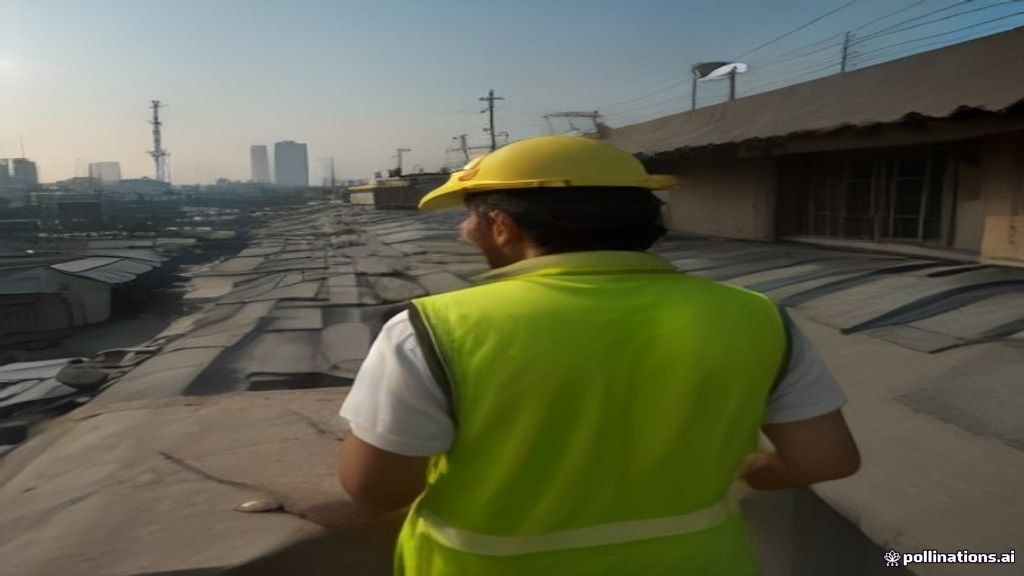
28
Sep
- By Best Solar Company PK
- Net Metering
Applied Before Feb 8? How to Lock In the Old Rs 27/Unit Net Metering Rate
If your net metering application reached your DISCO before the 8 February 2026 cutoff, you keep the old ~Rs 27/unit terms — not the new Rs 10 net-billing rate. Here's how to confirm you qualify and force your DISCO to process it under the old rules.
Read More
28
Sep
- By Best Solar Company PK
- Net Metering
NAEPP Explained: Why Your Solar Exports Now Earn Rs 11–13/Unit in Pakistan
Under Pakistan's 2026 net billing rules, solar exports are paid at the National Average Energy Purchase Price (~Rs 11–13/unit) while you still buy grid power at Rs 44–50. Here's how NAEPP is calculated, why it can drop further, and what it does to your payback.
Read More
27
Sep
- By Best Solar Company PK
- Energy Savings
September 2026 Bill Shock: Why Solar Self-Consumption Is Your Only Real Hedge
September 2026 electricity bills are the highest in two years as July's Rs2.06 FCA and the April–June quarterly adjustment land together. Here's why maximizing solar self-consumption — not exporting — is now the smartest way to protect your budget.
Read More
27
Sep
- By Best Solar Company PK
- Solar Policy
Gulf LNG Squeeze: Why Solar-Plus-Battery Backup Beats Pakistan's Winter 2026 Power Crunch
Gulf tensions have choked Pakistan's winter LNG cargoes, pointing to pricier grid units and gas load-shedding. Here's why solar-plus-battery backup is the smart hedge for homes and businesses before the cold sets in.
Read More
27
Sep
- By Best Solar Company PK
- Net Metering
Export MDI Check: How to Avoid the Sanctioned-Capacity Penalty in 2026
NEPRA's Export MDI Check flags prosumers whose solar exceeds their sanctioned load and can strip away net-metering concessions. Here's how to size, declare, and stay compliant under the 2026 net-billing regime.
Read More
26
Sep
- By Best Solar Company PK
- Solar Policy
KP Free Solar Scheme 2026: 1.6M Apply for 130,000 Systems
Khyber Pakhtunkhwa's Rs20 billion free solar scheme drew over 1.6 million applications for just 130,000 systems, picked by transparent e-lottery. Here's who qualifies, what's inside the package, and exactly how to apply.
Read More
26
Sep
- By Best Solar Company PK
- Energy Savings
September 2026 Electricity Bills Hit a 2-Year High: Why They Spiked and How Much Solar Really Saves
September 2026 electricity bills in Pakistan averaged Rs28.23/unit — a 29% jump year-on-year, driven by a Rs2.06 fuel charge. Here's exactly why bills spiked and how much money solar actually shaves off for homes and businesses.
Read More
26
Sep
- By Best Solar Company PK
- Solar Guides
Pakistan's Solar Boom 2026: What It Means If You Install Now
Pakistan is now one of the world's biggest solar panel importers, with 27–33GW of rooftop solar already installed. Here's what the boom — and NEPRA's new net-billing rules — mean for a homeowner deciding to go solar in 2026.
Read More
26
Sep
- By Best Solar Company PK
- Buying Guide
Lithium Battery Prices Climb Again: 5kW Units Hit Rs260,000 (Sept 2026)
A 5kW lithium unit now touches Rs260,000 — up about Rs20,000 — just as NEPRA's net billing makes home storage essential. Here's why prices are rising and whether to buy now or wait.
Read More
25
Sep
- By Best Solar Company PK
- Solar Policy
Solar Swarm Grids: Sell Your Surplus to Neighbours, Not the Rs8 Grid Buyback (2026 PRIED Study)
A new September 2026 PRIED study says Pakistan's rooftop solar boom can power "swarm grids" — letting you trade surplus units with neighbours instead of dumping them to the DISCO at just ~Rs8/unit. Here's what it means for your bills.
Read More
25
Sep
- By Best Solar Company PK
- Solar Policy
NEPRA's Rs1,000/kW Solar Licence Fee: Who Pays in 2026 and Who's Exempt
NEPRA briefly forced every grid-tied solar system to buy a prosumer licence at Rs1,000/kW — then rolled it back for systems up to 25kW. Here's exactly who still pays, who's exempt, and how DISCO approval works now.
Read More
25
Sep
- By Best Solar Company PK
- Buying Guide
Solar Panel Prices Crash to Rs31–42/Watt: Is This Pakistan's Buying Window?
A global Chinese module glut has dragged A-grade solar panel prices in Pakistan down to Rs31–42 per watt in 2026, with traders dumping stock. Here's whether this is the bottom — and whether you should buy now.
Read More
24
Sep
- By Best Solar Company PK
- Energy Savings
October 2026 Bill Shock: Rs1.73 FCA Hits Your Bill — Here's How Solar Caps It
A Rs1.73/unit August fuel adjustment lands on October bills on top of the Rs0.52 quarterly hike, pushing electricity bills to a 2-year high. Here's why rooftop solar is the only real cap on endless FCA and QTA shocks.
Read More
24
Sep
- By Best Solar Company PK
- Solar Policy
KP CM Free Solar Scheme 2026: How 130,000 Homes Get Free Panels
Khyber Pakhtunkhwa's Rs20 billion CM free solar scheme will solarise 130,000 homes — with a first-phase e-balloting of 32,500 BISP/Ehsaas households using under 300 units. Here's who qualifies, what the kit includes, and how to register.
Read More
24
Sep
- By Best Solar Company PK
- Net Metering
DISCO Feeder Capacity Is Full: Why Net-Metering Approvals Are Stalling in 2026
LESCO, IESCO, MEPCO and K-Electric are capping new net-metering approvals once a transformer hits 80% solar load. Here's how to check if your feeder is saturated—and why applying now (with the right battery) protects your savings.
Read More
24
Sep
- By Best Solar Company PK
- Solar Guides
Pakistan's Solar Tipping Point: 27% of Power, 51 GW Installed — Should You Still Wait?
Distributed solar now supplies roughly 27% of Pakistan's electricity, with 51 GW installed and midday grid demand collapsing to 765 MW. Here's what solar going mainstream means for a household still on the fence in 2026.
Read More
23
Sep
- By Best Solar Company PK
- Energy Savings
September 2026 Bills Hit a 2-Year High at Rs28/Unit — Here's How Solar Caps Your Exposure
September 2026 electricity bills climbed to the highest average domestic rate in two years (~Rs28.23/unit) after stacked FCA and quarterly adjustments. Here's how rooftop solar locks in your cost and shields you from the next hike.
Read More
23
Sep
- By Best Solar Company PK
- Solar Policy
NEPRA's Sept 29 Rs1.73/Unit Hearing: What Another Hike Means for Solar Payback in 2026
NEPRA hears CPPA's request for a Rs1.73/unit fuel-cost hike on September 29, 2026. Here's exactly how another approved increase changes solar payback math for Pakistani homes and businesses right now.
Read More
23
Sep
- By Best Solar Company PK
- Solar Guides
Swarm Grids: How Pakistan's Rooftop Solar Could Power Whole Neighbourhoods
A new September 2026 PRIED study says Pakistan can turn its rooftop solar boom into "swarm grids" — decentralised networks where neighbours share and trade solar power. Here's what that means for your home and bills.
Read More
23
Sep
- By Best Solar Company PK
- Buying Guide
50GW of Panels Imported, 20% of the Grid Solar: Why It's Time to Go Solar in Pakistan
Pakistan has imported over 50GW of solar panels while national grid capacity sits near 41GW, and solar now feeds roughly 20% of our electricity. Here's the proof the shift is permanent — and a practical buyer's guide to joining it in 2026.
Read More
22
Sep
- By Best Solar Company PK
- Solar Policy
Pakistan's $47bn Grid Plan: Why Rooftop Solar Self-Consumption Is Now Urgent
NEPRA has approved a $47bn grid-expansion plan even as daytime grid demand collapses to ~12,000MW. Here's why the capacity payments baked into that plan keep your bills climbing — and why locking in rooftop solar self-consumption in 2026 is the smartest defensive move.
Read More
22
Sep
- By Best Solar Company PK
- Energy Savings
October 2026 Bill Shock: How Rolling FCA Hikes Stack — and How Solar Caps Your Exposure
Rs2.58/unit has already landed on your September bill, and NEPRA's September 29 hearing could add Rs1.73/unit more in October. Here's how these rolling monthly and quarterly adjustments compound — and why rooftop solar is the only real cap on your exposure.
Read More
22
Sep
- By Best Solar Company PK
- Net Metering
NEPRA's Rs1,000/kW Solar Fee: What It Really Adds to a 10kW System in 2026
NEPRA has ended "free" solar hookups with a one-time Rs1,000/kW processing fee — just Rs10,000 on a 10kW system. But with new connections earning only Rs8.13/unit, here's what actually moves your payback.
Read More
22
Sep
- By Best Solar Company PK
- Buying Guide
NEPRA Rejected a $900m Grid Battery — Why Home Storage Wins in Pakistan
NEPRA rejected a $900m utility battery on Sept 12 while Pakistanis quietly install 5+ GWh of home storage a year. Under net billing, storing your own units beats exporting them — here's how to size a battery for it.
Read More
21
Sep
- By Best Solar Company PK
- Energy Savings
October 2026 Bills Add Another Rs1.73/Unit: Why Solar Self-Consumption Is Your Only Real Hedge
October electricity bills carry a fresh Rs1.7267/unit August fuel-cost adjustment on top of September's Rs2.58/unit jump. Here's why rolling FCAs make solar self-consumption the only reliable way for Pakistani homes and businesses to protect their budgets.
Read More
21
Sep
- By Best Solar Company PK
- Buying Guide
Solar System Prices Just Dropped ~Rs150,000: Is This the Buy Window in Pakistan?
Complete 5kW–15kW solar system prices fell by roughly Rs150,000 in September 2026 as import volumes cooled. Here's whether it's the right time to buy — and the fine print to verify before you lock a quote.
Read More
21
Sep
- By Best Solar Company PK
- Net Metering
Filed Before Feb 8? How 5,165 Applications Keep Old Net Metering
The 5,165 rooftop solar applications submitted before 8 February 2026 will be processed under the old 1:1 net metering rules — not net billing. Here's who qualifies, the deadlines that matter, and how to lock in legacy unit-exchange rates.
Read More
21
Sep
- By Best Solar Company PK
- Solar Policy
AEDB-Approved Panel & Inverter List: The 2026 Net Billing Rule That Clears DISCO Inspection
In 2026, only AEDB-approved panels and inverters pass DISCO inspection for net billing in Pakistan. Here's how to check the list, dodge a rejected application, and why hybrid inverters now win.
Read More
20
Sep
- By Best Solar Company PK
- Energy Savings
Rs28/Unit Bills Are Here: How Rooftop Solar Beats the September 2026 Shock
September 2026 power bills hit a two-year high as the fuel cost adjustment jumps to Rs2.06/unit and average rates near Rs28.23. Here's exactly how much a rooftop solar system now shaves off your inflated bill in Pakistan.
Read More
20
Sep
- By Best Solar Company PK
- Solar Policy
NEPRA's Sept 29 Hearing: Why Locking In Solar Now Beats the Next Rs1.73 Hike
NEPRA's September 29, 2026 public hearing could push an extra ~Rs1.73 per unit onto October bills. Here's why buying solar before this NEPRA tariff hike protects Pakistani homeowners and businesses from the next round of increases.
Read More
20
Sep
- By Best Solar Company PK
- Buying Guide
Solar Panel Prices Hit Rock Bottom at Rs38–45/Watt: Why Sept–Oct Is the Best Time to Buy in Pakistan
A-grade N-type solar panels have crashed to Rs38–45 per watt on global oversupply — down 50%+. Here's why September–October is the cheapest pre-winter install window and how to lock in the floor price.
Read More
19
Sep
- By Best Solar Company PK
- Energy Savings
September Bill Shock: Rs2.58/Unit Hike Cuts Solar Payback to 2.5 Years
NEPRA's combined Rs2.58/unit hike (Rs2.06 FCA + Rs0.5194 QTA) pushed September bills to a two-year high. Here's how the shock shortens solar payback in Pakistan to just 2.5–4 years.
Read More
19
Sep
- By Best Solar Company PK
- Net Metering
Net Metering Rollback: Pending Applicants Can Still Lock the Old 1:1 Deal — Here's How
Islamabad's partial net metering rollback lets rooftop solar applications filed up to 8 February 2026 keep the old one-to-one terms. If your DISCO application is still pending, here's exactly what to do now to lock the better deal before it slips away.
Read More
19
Sep
- By Best Solar Company PK
- Buying Guide
Rs11 Out, Rs55 In: Why 2026 Solar Must Be Sized for Evening Use, Not Grid Export
With NEPRA's new net billing paying just Rs11 per exported unit while you still pay up to Rs55 to import at night, the smart move in 2026 is sizing your solar system for self-consumption and evening load — not for selling to the grid.
Read More
18
Sep
- By Best Solar Company PK
- Solar Policy
PM Roshan Ghar Initiative 2026: Subsidized Rooftop Solar for Protected Households
The PM Roshan Ghar Initiative brings subsidized rooftop solar to 0–200 unit protected households through ESCO-licensed installers and DFI financing. Here's who qualifies and exactly how to apply in 2026.
Read More
18
Sep
- By Best Solar Company PK
- Net Metering
Net Metering Contract Expiry: How to Protect Your Rs25.32 Rate in 2026
When your net metering agreement expires — or the day you upgrade capacity — DISCOs can move you to net billing and slash your export rate. Here's how existing owners lock in the old Rs25.32/unit rate.
Read More
18
Sep
- By Best Solar Company PK
- Buying Guide
Rs8.13 Export Rate: How to Size Your 2026 Solar System to Self-Consume, Not Oversize
NEPRA's new net billing pays fresh solar installs only ~Rs8.13/unit for exports. Here's how to right-size a 2026 system for self-consumption—and exactly when a battery beats selling to the grid.
Read More
17
Sep
- By Best Solar Company PK
- Energy Savings
September 2026 Electricity Bill Shock: Rs2.58/Unit Hike — and How Solar Caps It
Your September 2026 bill carries a combined Rs2.58/unit jump — the biggest fuel adjustment in two years. Here's exactly what's driving it and how home solar caps this recurring exposure.
Read More
17
Sep
- By Best Solar Company PK
- Net Metering
Net Metering Grandfathering Ends at Contract Expiry: Why 2026 Is the Year to Lock In
Your net metering deal is only guaranteed until your 7-year term runs out — after that, DISCOs can terminate it or push you onto low-paying net billing. Here's what expiry means and why locking in now protects your savings.
Read More
17
Sep
- By Best Solar Company PK
- Buying Guide
Pakistan Is the World's #2 Solar Importer: Should You Buy This Quarter?
Pakistan has landed ~55 GW of Chinese solar modules and 16.9 GW in 2025 alone, crushing per-watt prices to Rs28–46/W. Here's what the China glut means for your wallet — and whether to buy now or wait.
Read More
16
Sep
- By Best Solar Company PK
- Energy Savings
Right-Size Your Sanctioned Load kW to Slash the New Fixed Charge on Your Solar Bill
Pakistan's new two-part tariff adds a fixed charge of Rs200–675 per kW of sanctioned load, so even a fully solar-powered home can't bill zero. Here's how right-sizing your sanctioned load cuts that unavoidable monthly charge.
Read More
16
Sep
- By Best Solar Company PK
- Solar Policy
Swarm Grids: Could Peer-to-Peer Solar Save Twin-Cities Homeowners from Low Net-Billing Rates?
A September 2026 study says Pakistan's 7,000MW rooftop boom could power neighbourhood "swarm grids" where you sell surplus solar to your neighbours. Here's what peer-to-peer sharing could mean for Islamabad-Rawalpindi homeowners squeezed by low net-billing export rates.
Read More
15
Sep
- By Best Solar Company PK
- Energy Savings
September 2026 Electricity Bills Hit a 24-Month High: Exactly What Rooftop Solar Saves
September 2026 electricity bills are the highest in two years after the FCA jumped Rs2.06/unit and a new quarterly adjustment kicked in. Here's a unit-by-unit breakdown of how much a rightly-sized rooftop solar system offsets this specific spike.
Read More
15
Sep
- By Best Solar Company PK
- Net Metering
NEPRA's Rs8.13 Buyback Rate: What New Solar Buyers Actually Earn in 2026
NEPRA now pays new solar prosumers just Rs8.13 per exported unit — less than one-third of the Rs25.32 existing users keep. Here's the numbers-first breakdown of what you really earn in 2026, and why self-consumption now beats exporting.
Read More
14
Sep
- By Best Solar Company PK
- Solar Policy
Solar Swarm Grids in Pakistan: What the 2026 PRIED Study Means for You
A new September 2026 PRIED study says Pakistan's rooftop solar boom can be linked into decentralised community "swarm grids" — here's what it means for homeowners and where NEPRA's rules still block peer-to-peer power trading.
Read More
14
Sep
- By Best Solar Company PK
- Energy Savings
September 2026 Electricity Bills Hit a 2-Year High — How Solar Cuts the Rs2.58 Shock
September 2026 electricity bills are the steepest in two years as a Rs2.58/unit FCA plus quarterly adjustments push the average domestic tariff to Rs28.23. Here's exactly how much a solar system saves — and why acting now matters.
Read More
14
Sep
- By Best Solar Company PK
- Net Metering
Net Metering Rollback 2026: Pending Applicants Keep Old One-to-One Terms — How to Lock In
Pakistan's government has partially reversed its solar clampdown: rooftop applications filed before 8 February 2026 will still get the old one-to-one net-metering deal, while new installs shift to net billing. Here's who qualifies and how to secure it.
Read More
14
Sep
- By Best Solar Company PK
- Buying Guide
Rupee at Rs278: Should You Buy Solar Panels Now or Wait?
With the dollar hovering near Rs278 and panel prices at 2026 lows, we read September's price signals to answer the question every buyer is asking: buy now, or wait for the rupee to strengthen below Rs275?
Read More
13
Sep
- By Best Solar Company PK
- Solar Policy
Base Tariff Reset Jan 15, 2027: Lock In Solar Before the Next Bill Hike
Pakistan's IMF-mandated base-tariff rebasing now lands every January, with the next reset due 15 January 2027. Installing solar before then is the surest way to shield your home or business from the coming round of electricity price hikes.
Read More
13
Sep
- By Best Solar Company PK
- Energy Savings
Winter Power Package 2026: What It Means for Solar Homes
Pakistan's new winter power package hands industry and farms cheaper units but caps cheap "extra" home use at 25% above your benchmark. Here's how solar homeowners should weigh grid vs panels this season.
Read More
13
Sep
- By Best Solar Company PK
- Net Metering
Net Metering Scrapped in 2026: Where Existing Solar Owners Really Stand After the Rs 11 Buyback
Pakistan's Prosumer 2026 rules tried to end net metering "immediately" — even for old contracts — before the PM ordered a NEPRA appeal. Here's where grandfathering and the Rs 11 buyback actually leave current solar owners.
Read More
12
Sep
- By Best Solar Company PK
- Energy Savings
Bijli Sahulat Winter Package: How Solar Homes Can Grab Rs26/Unit Relief
Pakistan's Bijli Sahulat winter package knocks up to Rs26 per unit off extra grid usage from December to February. Here's the counter-intuitive move net-billing solar homes should make to actually capture it.
Read More
12
Sep
- By Best Solar Company PK
- Net Metering
Net Metering Feb 8 Cutoff: How to Push Your Pending File Through PITC Under Old Rules
The government has ordered DISCOs and K-Electric to clear 5,165 net-metering applications filed before 8 February 2026 under the old one-to-one rules. Here's how to confirm your pending file qualifies and get PITC to release it.
Read More
12
Sep
- By Best Solar Company PK
- Buying Guide
Solar Panel Prices in Pakistan Crash to Rs33–42/W: Buy Now or Wait?
A Chinese import glut has pushed solar panel prices in Pakistan down roughly 60% to about Rs33–42 per watt. Here's whether this is the record-low buying window before the rupee, the 10% GST and demand push rates back up.
Read More
11
Sep
- By Best Solar Company PK
- Energy Savings
September 2026 Electricity Bills Hit a 2-Year High: How Much Solar Self-Consumption Offsets NEPRA's Rs2.58/Unit Hike
NEPRA's Rs2.58/unit September adjustment has pushed Pakistani electricity bills to their highest level in two years. Here's exactly how much solar self-consumption offsets this specific hike, with real PKR figures.
Read More
11
Sep
- By Best Solar Company PK
- Net Metering
Net Metering Old Rules: How to Push Your Pre-Feb-8 Application Through Now
The power minister has ordered DISCOs to clear every net-metering application filed before 8 February 2026 under the old 1:1 rules. Here's who qualifies and exactly how to unstick a delayed file.
Read More
11
Sep
- By Best Solar Company PK
- Buying Guide
5kW Lithium Battery Hits Rs260,000 in Pakistan: Buy Now or Wait?
A 5kW lithium unit has jumped roughly Rs20,000 to as high as Rs260,000 as dealers hoard stock before a feared GST hike. Here's whether to buy now — and how to size a battery for the new NEPRA net-billing rules.
Read More
04
Sep
- By Best Solar Company PK
- Buying Guide
Solar Panel Price Drop September 2026: Rs38–46/Watt in Rawalpindi, Islamabad, Lahore & Multan
A-grade solar panels have slipped to Rs38–46 per watt across the twin cities, Lahore and Multan as a post-budget import glut and weak demand soften rates. Here's whether September is the buy-window before winter and the next duty review.
Read More
04
Sep
- By Best Solar Company PK
- Solar Guides
Peak-Hour Loadshedding Is Back: Size Solar + Battery to Beat the Evening Tariff Trap
The government's 2.25-hour evening "peak relief" cuts land right on top of Pakistan's most expensive tariff hours. Here's how to size a solar battery that runs your home through the scheduled peak-hour loadshedding instead of paying Rs 46.85 a unit.
Read More
03
Sep
- By Best Solar Company PK
- Energy Savings
September 2026 Electricity Bill Hike: Why the QTA Is Rising and How Solar Hedges the Next One
Your September 2026 bill jumped because the Rs1.99 relief expired and a ~Rs1.34/unit quarterly tariff adjustment landed. Here's why the grid keeps getting pricier — and how going solar hedges the next hike.
Read More
03
Sep
- By Best Solar Company PK
- Solar Guides
Load-Shedding Despite Power Surplus: Why Pakistan's Nights Go Dark in 2026
Solar wiped out daytime load-shedding, yet Punjab still faces 9pm–4am blackouts while consumers pay capacity charges for idle plants. Here's why nights stay dark — and why only solar-plus-battery gives real night backup.
Read More
03
Sep
- By Best Solar Company PK
- Net Metering
Net Billing in Pakistan 2026: Is Rooftop Solar Still Worth It?
New analysis shows NEPRA's net billing has cut a typical rooftop system's value by 44–49%, with exports credited near Rs11 versus roughly Rs50 to import. Here's whether solar still pays — and how to size for self-consumption to protect your ROI.
Read More
03
Sep
- By Best Solar Company PK
- Solar Policy
IPP Contracts Are Ending Early — Will Your 2026 Bill Finally Drop, or Should You Go Solar Now?
Five IPPs — including Atlas Power — ended their power-purchase deals early, and 11 more expire by 2030. We break down whether shrinking capacity payments will actually cut your bill, or whether it's smarter to go solar in 2026.
Read More
02
Sep
- By Best Solar Company PK
- Energy Savings
September 2026 Electricity Bill Hike: Why Capacity Payments Widen Solar's Edge
The Rs1.99/unit summer relief has expired and DISCOs' ~Rs34bn quarterly adjustment lands on September bills. Here's why capacity payments keep pushing grid tariffs up—and why rooftop solar is now the smarter hedge for Pakistani homes and businesses.
Read More
02
Sep
- By Best Solar Company PK
- Net Metering
Net Metering Feb 8, 2026 Cutoff: Old Rs22 Rules Still Apply
If your net metering application reached your DISCO before 8 February 2026, it's still processed under the old 7-year, Rs22-per-unit framework. Here's how to confirm your filing date and calculate what that grandfathered rate is really worth.
Read More
02
Sep
- By Best Solar Company PK
- Solar Policy
AMI Smart Meter Rollout 2026: What It Means for Your Solar Net Metering in Pakistan
Power Division has set a September 30, 2026 deadline for DISCOs to fit AMI smart meters. Here's how advanced metering changes billing accuracy, TOU rates, and net-billing readings for Pakistani solar homes and businesses.
Read More
01
Sep
- By Best Solar Company PK
- Energy Savings
Solar Bill Hike 2026: Bills Jump Up to Rs4/Unit as Relief Ends — Why Self-Consumed Solar Is Your Only Hedge
From September 2026, Pakistani electricity bills climb up to Rs4/unit as the Rs1.99 quarterly relief expires and NEPRA weighs a Rs34–36.5bn second-quarter recovery. Here's why self-consumed solar is the last real hedge left.
Read More
01
Sep
- By Best Solar Company PK
- Net Metering
NAEPP Explained: Why Your Solar Export Pays Only Rs8–11 in 2026
NEPRA now buys your surplus solar at the National Average Energy Purchase Price (NAEPP) — about Rs8–11/unit — while you buy power back at Rs44–60. Here's why, and how to size a system to self-consume instead of export.
Read More
01
Sep
- By Best Solar Company PK
- Solar Policy
Rs36.54bn Bill Shock: Why C&I Buyers Are Racing to Rooftop Solar
As trade bodies fight the Rs36.54bn September FCA recovery and full FCA/QTA pass-through under the IMF deal, commercial and industrial buyers are accelerating rooftop solar in Pakistan to lock in stable power costs.
Read More
31
Aug
- By Best Solar Company PK
- Solar Policy
PM Orders NEPRA to Appeal Its Own Solar Rules: What It Means for Your Rs25.32/Unit Net-Metering Rate
PM Shehbaz Sharif has ordered NEPRA to appeal the Prosumer Regulations 2026 that scrapped net metering. Here's exactly how existing solar owners keep the grandfathered Rs25.32/unit rate — and the one mistake that can wipe it out.
Read More
31
Aug
- By Best Solar Company PK
- Buying Guide
China's GB 47834 Standard 2027: Should You Buy A-Grade Solar Panels Now?
China's new GB 47834-2026 efficiency law takes effect January 2027 and will outlaw low-grade panels at the source — squeezing the cheap B-grade stock flooding Pakistan. Here's whether homeowners should lock in A-grade modules today.
Read More
31
Aug
- By Best Solar Company PK
- Energy Savings
September 2026 Bill Hike: Who's Exempt and Why Solar Wins
The Rs1.99/unit relief ends in August and a new ~Rs1/unit quarterly adjustment (Rs23bn recovery) pushes bills up from September 2026. Lifeline, EV-charging and prepaid users are spared — everyone else needs a lasting hedge: solar.
Read More
30
Aug
- By Best Solar Company PK
- Energy Savings
NGC's Rs200bn Recovery Hits Your 2026 Bill: Why Solar Is the Only Escape
NEPRA has cleared the National Grid Company to recover Rs200 billion — about Rs1 per unit — from Aug/Sept 2026 bills for three years of past grid costs. Here's why rooftop solar is now the only real escape from Pakistan's stacking surcharges.
Read More
30
Aug
- By Best Solar Company PK
- Buying Guide
Solar Import Duty Hike 2026: Buy Your Inverter & Battery Before Prices Rise
Pakistan's June 2026 budget slaps a 12% duty on inverters and 20% on lithium batteries while panels stay near zero. Here's how hybrid-system prices shift—and why timing your purchase now can save you six figures in PKR.
Read More
30
Aug
- By Best Solar Company PK
- Solar Policy
Rs33.8bn Solarisation Tariff Adjustment: Why Grid Users Now Pay More in Pakistan
DISCOs blame a Rs33.8bn Q2 FY26 quarterly tariff adjustment partly on solarisation cutting grid sales. Here's how the shrinking-grid cost spiral pushes remaining users to go solar too.
Read More
29
Aug
- By Best Solar Company PK
- Net Metering
Rs18-22 Evening Buyback: How the New ToU Plan Rewrites Solar Payback in Pakistan
The Power Division wants to pay solar-plus-battery owners Rs18-22 per unit for power sold to the grid during the 5-10pm peak. Here is how this Time-of-Use proposal changes your payback math in 2026.
Read More
29
Aug
- By Best Solar Company PK
- Buying Guide
Battery Imports Jumped 1,640%: Why Pakistani Solar Owners Should Add Storage Now, Not Export
Pakistan's lithium battery imports exploded 1,640% to Rs126bn as NEPRA's net billing gutted export credits. Here is why pairing storage with your solar system now beats selling power back to the grid for pennies.
Read More
29
Aug
- By Best Solar Company PK
- Solar Policy
PM Orders NEPRA Appeal: What It Means for Solar Buyers in 2026
Prime Minister Shehbaz Sharif has ordered the Power Division to appeal NEPRA's net-metering overhaul to protect 466,000 existing solar users. Here is what the fight means if you are buying solar now.
Read More
29
Aug
- By Best Solar Company PK
- Net Metering
Net-Metering Agreement Expiry in Pakistan: 7 Moves to Make Before Your DISCO Shifts You to Rs 8.13
Grandfathering isn't forever. Once your net-metering agreement expires, your DISCO can move you onto the low ~Rs 8.13 net-billing rate — here's exactly what Pakistani solar owners must plan for now.
Read More
29
Aug
- By Best Solar Company PK
- Buying Guide
Solar Import Glut in Pakistan: Buy Now or Wait for a Bigger Crash in 2026?
Pakistan's record ~51GW solar import glut has crushed panel prices to PKR 33–48 per watt — but with prices bottoming in H2 2026 and NEPRA's net-billing switch slashing buyback rates, waiting could cost you more than it saves.
Read More
29
Aug
- By Best Solar Company PK
- Net Metering
Is Rooftop Solar Still Worth It in Lahore After the Rs 8.13 Buyback Cut? (2026)
NEPRA's 2026 net-billing switch slashed the solar export rate to about Rs 8.13/unit. Here's how Lahore homeowners reset their solar ROI by maximising daytime self-consumption and adding a right-sized battery.
Read More
28
Aug
- By Best Solar Company PK
- Net Metering
Net-Metering Backlog Cleared: Do You Qualify Before 9 Feb 2026?
A new August 2026 Power Division/NEPRA directive orders DISCOs and PITC to clear stuck net-metering connections where the demand notice was paid before 9 February 2026. Here's who qualifies and how to check your green-meter status today.
Read More
28
Aug
- By Best Solar Company PK
- Solar Policy
Rs1/Unit Grid Recovery Charge: What NEPRA's Rs200bn NGC Line Item Means for Your Bill
NEPRA has approved a Rs200 billion National Grid Company cost recovery that adds roughly Rs1 per unit to electricity bills from the Aug/Sept 2026 cycle — on top of the 75-paisa FCA. Here's what the new line item means and why it strengthens the case for solar.
Read More
28
Aug
- By Best Solar Company PK
- Buying Guide
N-Type Panel Prices Dip in August 2026: Is This Your Buying Window?
Tier-1 N-Type panels have fallen Rs2–4/watt as the rupee holds near 278–282 and imports crash 61% year-on-year. Here's whether Pakistani buyers should lock in now — before prices firm up again.
Read More
28
Aug
- By Best Solar Company PK
- Net Metering
Sell Solar Battery Power to the Grid: Earn Rs18–22/Unit in Pakistan
Pakistan's Power Division wants to pay home solar+battery owners Rs18–22 per unit for stored electricity fed back during the 5–10 PM evening peak. Here's how this "battery-to-grid" export could pay you back.
Read More
28
Aug
- By Best Solar Company PK
- Energy Savings
Winter Electricity Package Rs8 Cut: Does Solar Still Pay in Pakistan?
Pakistan's proposed winter relief package promises up to Rs8/unit cheaper power, but it's tied to extra off-season usage and IMF approval. Here's how it really affects your solar payback in 2026.
Read More
28
Aug
- By Best Solar Company PK
- Net Metering
Green Meter Fast-Track 2026: Is Your Pre-Feb 8 Application Still Eligible for Old Net Metering?
The August 2026 Power Division order tells DISCOs to clear stuck green meter cases — and applications paid before 8 February 2026 can still lock in the old Rs 25.32 net-metering rate. Here's how to check if you qualify.
Read More
28
Aug
- By Best Solar Company PK
- Net Metering
Sell Your Solar Power to the Grid at Rs18–22/Unit: Does Adding a Battery Finally Pay Off in Pakistan?
A new Power Division proposal would pay battery-backed solar homes Rs18–22 per unit for electricity discharged during the 5–10pm evening peak. Here's how the time-of-use plan works and whether storage now makes financial sense.
Read More
28
Aug
- By Best Solar Company PK
- Solar Policy
Solar Blamed for Rs33.8bn Shortfall: Why Your Non-Solar Bill Is Rising
DISCOs blame rooftop solar for a Rs33.8bn sales shortfall as NEPRA weighs a Rs1.34/unit surcharge for three straight months (Rs4.02 cumulative). Here's why non-solar users are footing the bill — and why it's pushing more Pakistanis to go solar.
Read More
28
Aug
- By Best Solar Company PK
- Solar Policy
IMF Blocks Cheaper Daytime Electricity in Pakistan: Why Solar + Storage Is Now Your Only Way to Cash In on Midday Power
Power Minister Leghari says IMF conditions are stopping the government's promised cheap daytime (time-of-use) tariff — so the grid won't reward solar-hour usage. Here's how self-consumption with your own solar plus battery captures that cheap midday power instead.
Read More
28
Aug
- By Best Solar Company PK
- Solar Policy
Govt Solarizing Loss-Making Feeders: What It Really Means for You
Pakistan has ordered pilot solarization of high-loss PESCO and QESCO feeders in 2026. Here's what feeder-level solarization means for households on those feeders—and whether it should change your own rooftop solar plans.
Read More
28
Aug
- By Best Solar Company PK
- Energy Savings
Storage, Not Generation: Why a Solar Battery Is Now Pakistan's Smartest Investment in 2026
Pakistan's power minister admits the country solved solar generation but not evening storage. Here's why adding a solar battery is now the highest-ROI move for homes and businesses in 2026.
Read More
28
Aug
- By Best Solar Company PK
- Net Metering
NEPRA Orders DISCOs to Clear Stuck Net-Metering Green Meters: 2026 Relief Guide
In late August 2026, NEPRA and the Power Division ordered all DISCOs and PITC to finally clear net-metering green-meter cases completed before the February 9, 2026 cutoff — letting long-stuck applicants connect on the old, higher-value terms. Here's who qualifies and how to check your status.
Read More
28
Aug
- By Best Solar Company PK
- Solar Policy
Sell Solar Power at Rs18–22/Unit: Pakistan's New Evening Peak Plan
The federal government has floated a Time-of-Use plan to pay battery-backed solar homes Rs18–22 per unit for evening peak exports — a potential lifeline against the brutal Rs8.13 net-billing buyback rate hitting new users in 2026.
Read More
28
Aug
- By Best Solar Company PK
- Buying Guide
Solar Panel Price in Pakistan (Sept 2026): Buy Now or Wait?
N-Type Tier-1 panels have slipped Rs2–4/watt to about Rs40–47/W as a stable rupee offsets rising silver and copper costs. Here's whether to lock in your solar panel price now or hold through year-end.
Read More
28
Aug
- By Best Solar Company PK
- Solar Guides
Solar Battery Storage in Pakistan: Why Storing Beats Exporting in 2026
Pakistan's battery imports jumped 220% to 4.6 GWh in 2025 while pack prices hit record lows. Here's why storing your solar for self-use now pays far more than exporting it to the grid under NEPRA's new net billing.
Read More
28
Aug
- By Best Solar Company PK
- Net Metering
Net Metering Now Needs a 3-Phase Connection: What Single-Phase Homeowners in Pakistan Must Do First
NEPRA no longer allows net metering on single-phase meters — a 3-phase connection is now required. Here's exactly what Pakistani single-phase homeowners must do first, with 2026 costs, timelines and rules.
Read More
28
Aug
- By Best Solar Company PK
- Net Metering
Sanctioned-Load Cap 2026: Why Your Solar System Can't Exceed It (And How to Fix It)
Under NEPRA's 2026 Prosumer Regulations, your solar system can no longer exceed your sanctioned load. Here's how the cap works and how to get your load enhanced before you apply.
Read More
28
Aug
- By Best Solar Company PK
- Buying Guide
AEDB-Certified Installers Only: Verify Before You Pay for Net Metering
Your DISCO will only accept a net-metering file submitted by an AEDB-certified installer. Here's how to verify a vendor's registration in 2026 before you hand over a single rupee.
Read More
27
Aug
- By Best Solar Company PK
- Solar Policy
NEPRA's Uniform National Tariff 2026: What One Countrywide Rate Means for Your Bill and Solar Payback
NEPRA has approved a uniform national average tariff of Rs33.38/kWh for 2026 over industry objections. Here's how one countrywide rate reshapes electricity bills — and why it makes rooftop solar a smarter investment for Pakistani homes and businesses.
Read More
27
Aug
- By Best Solar Company PK
- Solar Guides
Storage Is Pakistan's New Power Bottleneck: Why a Solar Battery Is Now Essential
Pakistan's power minister says the country now has surplus daytime solar but no way to store it for the night — here's why adding a battery to your solar system is fast becoming essential in 2026.
Read More
26
Aug
- By Best Solar Company PK
- Energy Savings
Solar as Energy Security: Beating Pakistan's Oil-Shock Bills in 2026
With Strait of Hormuz tensions pushing Brent crude past $100 again, rooftop solar has become an energy-security hedge that locks Pakistani homes and businesses out of imported-fuel price shocks.
Read More
26
Aug
- By Best Solar Company PK
- Buying Guide
Solar Panels Hit 8 Cents a Watt: Why 2026 Is the Cheapest Buying Window in Pakistan
Fresh PBS data shows Pakistan imported ~3 GW of solar for $310M in H1 FY26, landing panels at a record ~$0.088/W. Here is why this may be the cheapest window before duty and tax moves.
Read More
26
Aug
- By Best Solar Company PK
- Solar Policy
New Base Tariff on 15 January 2027: Lock In Solar Savings Before Grid Rates Jump
Pakistan's IMF-committed annual rebasing sets a new base electricity tariff from 15 January 2027 under a Rs830bn subsidy cap — a clear signal of higher grid rates ahead. Here's why installing solar now locks in your savings.
Read More
26
Aug
- By Best Solar Company PK
- Net Metering
NEPRA's PITC Order: Lock In Old 1:1 Net Metering Before It's Gone
NEPRA has ordered PITC to verify and clear net-metering applications completed before 9 February 2026 — which means stuck applicants can still secure the old 1:1 buyback instead of the new Rs 11/unit net billing. Here's exactly what to check and do now.
Read More
26
Aug
- By Best Solar Company PK
- Energy Savings
Rs4/Unit Tariff Hike (Sept–Nov 2026): Your Bill Shock and the New Solar Payback Math
NEPRA's 2nd Quarterly Tariff Adjustment adds up to Rs4/unit (incl. GST) to bills from September to November 2026 to recover Rs34bn. Here's what it costs you—and how fast solar now pays back.
Read More
26
Aug
- By Best Solar Company PK
- Net Metering
NEPRA's PITC Review 2026: Save Your Old Net Metering Terms
NEPRA has ordered PITC to review solar connection cases stuck before the 9 February 2026 cutoff — early applicants may still get old net-metering rates instead of net billing. Here's how to check and push your file.
Read More
26
Aug
- By Best Solar Company PK
- Net Metering
Capacity Payment Charge on Solar Prosumers 2026: What It Really Costs
Pakistan's 2026 Prosumer Regulations push part of the IPP capacity-payment burden and new fixed charges onto solar users — even on a zero-export bill. Here's what it adds, and how right-sizing plus self-consumption keeps it small.
Read More
26
Aug
- By Best Solar Company PK
- Net Metering
Filed Before Feb 9? You Still Get the Old Rs25.32 Net Metering Rate
NEPRA has ordered PITC to clear thousands of stuck solar files, meaning applications completed before 9 February 2026 can still be grandfathered onto the old Rs25.32 unit-for-unit net metering rate. Here's how to check and push your pending case.
Read More
26
Aug
- By Best Solar Company PK
- Energy Savings
Rs2.52/Unit July FCA Hearing on Aug 27: Another Bill Shock — And How Solar Stops It
NEPRA hears CPPA-G's request for a Rs2.52/unit July fuel-cost adjustment on 27 August 2026 — stacking on the 75-paisa FCA already in your August bill. Here's why these shocks keep recurring and how solar self-consumption insulates you.
Read More
26
Aug
- By Best Solar Company PK
- Solar Policy
Rs8.13 vs Rs25.32: Why 2026 Solar Buyers Must Size for Self-Use, Not Grid Export
Under NEPRA's 2026 net-billing regime, new prosumers earn just Rs8.13 per exported unit while grandfathered users keep Rs25.32 — a 3x gap that makes self-consumption and battery storage the smarter play.
Read More
26
Aug
- By Best Solar Company PK
- Net Metering
Filed Before Feb 8, 2026? You Still Get Old 1:1 Net Metering — Here's How to Energise Fast
If you applied for net metering before 8 February 2026, NEPRA's grandfathering rule still gives you the old 1:1 buyback. Here's how to push your connection live before the window shuts.
Read More
26
Aug
- By Best Solar Company PK
- Energy Savings
NEPRA's Rs1.34/Unit Hike Hits Bills for 3 Months: Why Solar Now Beats Waiting
NEPRA's Rs1.34/unit quarterly adjustment adds a Rs34bn burden to power bills from September to November 2026 — and DISCOs are blaming rooftop solar. Here's why going solar today is cheaper than paying to wait.
Read More
26
Aug
- By Best Solar Company PK
- Solar Policy
PM Free Solar Panel Scheme 2026: Free Panels, Inverter & Battery — Full Eligibility Guide
The Federal PM Free Solar Panel Scheme 2026 now bundles solar panels, an inverter, and battery backup free for low-consumption homes. Here's who qualifies, the documents you need, and how it differs from the CM Punjab Roshan Gharana scheme.
Read More
26
Aug
- By Best Solar Company PK
- Buying Guide
585W N-Type TOPCon Panel Prices in Pakistan (Aug 2026): City-Wise Rates & How to Lock the Best Deal
Updated August 2026 city-by-city pricing for 585W N-type TOPCon panels — Karachi Rs37–43/W vs Islamabad/Rawalpindi Rs40–46/W — plus JA Solar vs LONGi value and how to lock your rate before the rupee slips.
Read More
26
Aug
- By Best Solar Company PK
- Solar Policy
Solar Battery Peak-Hour Buyback: What Pakistan's Rs 22/Unit Plan Means Before You Size a System
Pakistan's Power Division has floated a time-of-use plan to pay solar-plus-battery owners a premium of up to Rs 22 per unit for exporting stored power during the evening peak. Here's what the incentive means before you buy panels or batteries.
Read More
26
Aug
- By Best Solar Company PK
- Solar Guides
Evening Peak Load-Shedding: How to Size a Solar Battery for the 6–11pm Gap
Rooftop solar goes dark at sunset, right when Pakistan's demand peaks. Here's how to size a battery to cover the 6–11pm load-shedding gap — with real PKR figures for 2026.
Read More
26
Aug
- By Best Solar Company PK
- Net Metering
Net Billing at Rs8 vs Rs60 Night Units: Is Solar Without a Battery Still Worth It in 2026?
NEPRA slashed the solar export rate to Rs8.13/unit while grid power at night still costs Rs45–60. Here's the honest 2026 math on whether a solar-only, no-battery system in Pakistan still pays off.
Read More
25
Aug
- By Best Solar Company PK
- Solar Policy
NEPRA Rs33.8bn Tariff Adjustment Blames Solar: What It Means for Your Bill
DISCOs want Rs33.8bn (Rs1.34/unit) back from consumers and are blaming rooftop solar for falling grid sales. Here's what the NEPRA hearing really means — and why going solar in Pakistan still wins.
Read More
25
Aug
- By Best Solar Company PK
- Energy Savings
Evening Load Shedding Is Back (5PM–1AM): Why Hybrid Solar + Battery Beats Grid-Tied in 2026
Pakistan has reintroduced up to 2.25 hours of scheduled evening load shedding between 5PM and 1AM in 2026. Here's why a grid-tied solar system alone goes dark during night outages — and how a hybrid-plus-battery setup keeps your lights, fans, and fridge running.
Read More
24
Aug
- By Best Solar Company PK
- Solar Policy
Solar Curtailment Warning 2026: Why Batteries Now Protect Your Rooftop
Pakistan's Power Division has warned that rooftop solar and wind could be forcibly curtailed as daytime grid demand collapses. Here's what curtailment means for you — and why self-consumption plus batteries is the new hedge.
Read More
24
Aug
- By Best Solar Company PK
- Net Metering
Net Metering Backlog Clears: What Pending Applicants Must Do Now
DISCOs are finally clearing the net metering application backlog in August 2026. Here is exactly what pending solar applicants must do now to lock in approval before net billing rules tighten further.
Read More
24
Aug
- By Best Solar Company PK
- Energy Savings
The Hidden "Partial Load" Charge Blamed on Rooftop Solar in Pakistan
CPPA is pinning billions in "partial load" costs on daytime rooftop solar and passing them to every electricity consumer through the fuel charge. Here is what the partial load adjustment charge really is, why it inflates your bill, and how solar owners should respond in 2026.
Read More
24
Aug
- By Best Solar Company PK
- Buying Guide
Lithium Battery Prices Surge in Pakistan: Buy Now or Wait in 2026?
A 5kW lithium pack jumped nearly Rs20,000 to around Rs260,000 on pre-budget hoarding and 18% GST fears — but the tax stayed at 10%. Here's whether Pakistani buyers should grab a battery now or wait for prices to cool.
Read More
24
Aug
- By Best Solar Company PK
- Net Metering
Rs8 vs Rs25 Solar Buyback: What Net Billing Means for Your Payback in Pakistan
New prosumers now export surplus solar at just Rs8.13/unit under net billing, while grandfathered users keep Rs25.32/unit. Here's what the split rate does to your payback — and whether to apply before your DISCO switches you over.
Read More
24
Aug
- By Best Solar Company PK
- Buying Guide
The Discounted 585W Solar Panel Trap: China's 2027 Efficiency Rule Explained
China's GB 47834-2026 rule bans sub-23.2% panels from January 2027, and soon-obsolete 585W modules are being dumped into Pakistan at tempting "discounts." Here's why cheap-now can cost you your warranty and spare-part match later.
Read More
24
Aug
- By Best Solar Company PK
- Net Metering
AMI Smart Meter Rollout 2026: What Every Solar User in Pakistan Must Know
Pakistan is installing 10 million AMI bidirectional smart meters across all DISCOs by December 2026 — reshaping net-billing export credit, adding time-of-use tariffs, and scrapping the old separate green-meter step. Here's how it hits your solar bill.
Read More
24
Aug
- By Best Solar Company PK
- Energy Savings
Rs4/Unit Power Hike Sept–Nov 2026: How Solar Shields Your Bill
NEPRA's 2nd quarterly tariff adjustment lets DISCOs recover Rs34bn — up to Rs4 per unit from September to November 2026 as the Rs1.99 relief expires. Here's how solar cancels this fresh bill shock.
Read More
24
Aug
- By Best Solar Company PK
- Solar Policy
DISCOs Blame Rooftop Solar for Demand Fall: What Charges Hit Owners Next
Pakistan's DISCOs blame rooftop solar for an 8.66% demand drop and a Rs34bn revenue hole. Here's the regulatory backlash — fixed charges, buyback cuts and gross metering — already hitting solar owners, and what could come next.
Read More
24
Aug
- By Best Solar Company PK
- Net Metering
Solar Connections Finally Moving: NEPRA Clears the Net Metering Backlog (2026)
NEPRA has ordered PITC to review and clear net metering applications stuck since before 9 February 2026. Here is exactly what already-applied homeowners and businesses must do now to get their meter installed and lock in the old rate.
Read More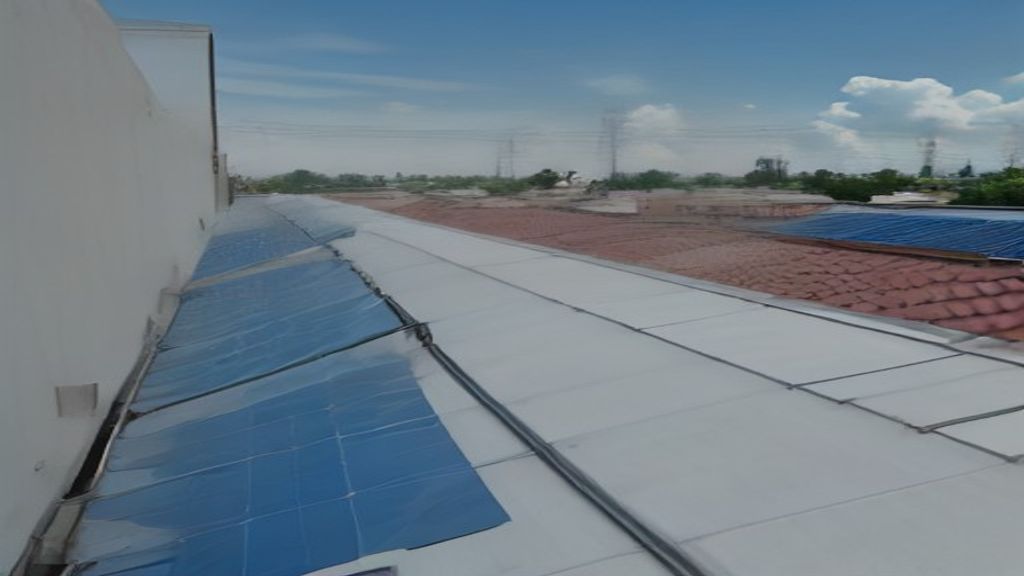
24
Aug
- By Best Solar Company PK
- Solar Policy
DISCOs Can Now Approve Rooftop Solar Under 25kW — Faster Installs in 2026
NEPRA has handed DISCOs the power to directly approve rooftop solar under 25kW — no license, no fee. Here's how the change shortens the install-to-approval timeline for new buyers in Pakistan.
Read More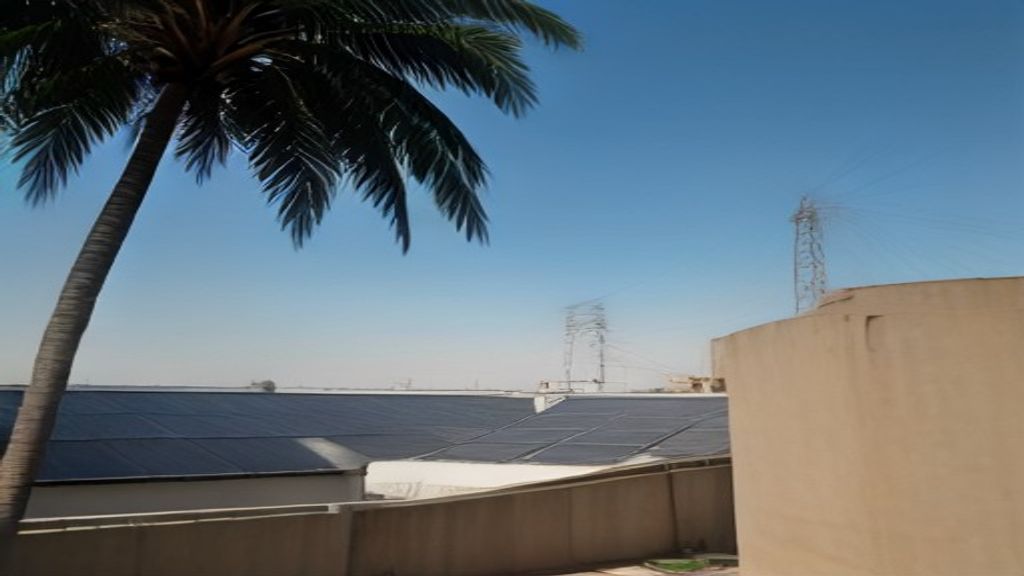
24
Aug
- By Best Solar Company PK
- Energy Savings
Solar Still Saves Rs90,000/Month: Real Payback Under Pakistan's New Net Billing
Fresh August 2026 case data proves rooftop solar still delivers huge bill savings and fast payback in Pakistan — even at the Rs11 buyback rate. The trick is sizing for self-consumption.
Read More
24
Aug
- By Best Solar Company PK
- Buying Guide
Chinese Inverter Bans 2026: What They Mean for Pakistani Solar Buyers
The US and EU are restricting Chinese smart inverters over firmware and grid-security risks. Here's what the 2026 bans signal — and a practical checklist for choosing a safe, bankable inverter in Pakistan.
Read More
24
Aug
- By Best Solar Company PK
- Net Metering
NEPRA's Pre-Feb 9 Net Metering Backlog: Lock the Rs25.32 Rate
NEPRA's July 31, 2026 order forces Discos and PITC to clear the pre-February 9 net metering backlog. Here are the exact steps to lock the grandfathered Rs25.32 buyback rate instead of dropping to net billing.
Read More
24
Aug
- By Best Solar Company PK
- Solar Policy
Premium Evening Battery Export: How Peak Pricing Could Revive Solar Payback in Pakistan
A new proposal would pay prosumers up to Rs 22/unit for battery power exported during the evening peak — potentially rescuing solar-plus-battery payback under NEPRA's harsh 2026 net-billing regime.
Read More
24
Aug
- By Best Solar Company PK
- Buying Guide
Solar Battery Boom in Pakistan 2026: Should You Add Storage Now?
Pakistan's lithium-battery imports hit a record $88M month and Rs126bn in total as pack prices near $70/kWh. Here's what solar storage really costs in 2026 — and whether to add a battery now.
Read More
24
Aug
- By Best Solar Company PK
- Energy Savings
Winter 2026 Demand Drop: NEPRA Buyback Rate Could Fall to Rs11.30 — 7 Moves to Protect Your Solar Savings
Falling winter electricity demand has triggered a fresh NEPRA review that may push the solar buyback rate toward Rs11.30/unit. Here's exactly what Pakistani solar owners should do before winter to lock in savings.
Read More
24
Aug
- By Best Solar Company PK
- Solar Policy
Rs34bn Tariff Hike: Why Rooftop Solar Is Now Your Best Defence
DISCOs want another Rs33.8bn (≈Rs1.34/unit) from grid users, blaming capacity payments and "solarisation" for falling sales. Here's why non-solar bills keep rising — and why rooftop solar is the real hedge in 2026.
Read More
24
Aug
- By Best Solar Company PK
- Net Metering
NEPRA Orders PITC to Clear Stuck Net Metering Files: Lock In Your Legacy Terms Now
NEPRA has directed PITC to verify and clear net metering connections that were pending before 9 February 2026. Here's exactly what backlogged applicants must do to lock in legacy 2015-regulation terms before they lapse.
Read More
24
Aug
- By Best Solar Company PK
- Buying Guide
Solar Buy Window 2026: Prices Hold While Grid Bills Climb
Post-budget equipment prices are holding steady in Pakistan while grid tariffs stack up through QTA and fuel adjustments. Here's why August–September 2026 is the smartest solar buy window of the year.
Read More
23
Aug
- By Best Solar Company PK
- Net Metering
NEPRA Clears Net Metering Backlog: Is Your Pre-Feb 2026 Application Still Eligible?
NEPRA's August 2026 order tells PITC to fast-track thousands of pending net metering applications filed before 9 February 2026. Here's how to check if yours still locks in the old 1:1 buyback terms.
Read More
23
Aug
- By Best Solar Company PK
- Solar Policy
NEPRA Net Metering Amendment: What It Restores for 466,506 Existing Solar Users
NEPRA's draft amendment shields all 466,506 existing net-metering prosumers from the 2026 net-billing rollback, keeping 1:1 unit exchange until their contracts expire. Here's what changed and how the public-comment window let solar owners fight back.
Read More
23
Aug
- By Best Solar Company PK
- Buying Guide
PM Solar Scheme 2026: How to Apply Online, Eligibility & Deadline
A clear 2026 guide to Pakistan's Federal PM Solar Scheme — who qualifies, subsidised and bank-financed system costs in PKR, the step-by-step online application, and the deadline to watch.
Read More
23
Aug
- By Best Solar Company PK
- Energy Savings
September Bill Shock in Pakistan: Why Electricity Bills Rise as the Rs1.99 Relief Ends—and How Solar Self-Consumption Beats the Capacity Trap
Pakistan's Rs1.99 per-unit relief expires this month while DISCOs claw back Rs34 billion in capacity charges—here's why September electricity bills rise, and why solar self-consumption beats the grid.
Read More
22
Aug
- By Best Solar Company PK
- Energy Savings
Winter Relief Package Rs8/Unit Cut: Should You Still Go Solar in 2026?
The government's proposed Rs8/unit winter electricity relief (Dec–Feb, pending IMF sign-off) sounds like a reason to delay solar. Here's why it barely dents your solar payback in Pakistan — and why installing now still wins.
Read More
22
Aug
- By Best Solar Company PK
- Solar Policy
Pakistan's New Industrial Tariff Penalty for Going Solar: What Factory Buyers Must Know in 2026
The government has shared a two-part industrial tariff plan with the IMF that raises fixed charges on factories drawing below their sanctioned load. Here's how this solar "penalty" affects C&I buyers before they install.
Read More
21
Aug
- By Best Solar Company PK
- Net Metering
Time-of-Use Net Metering: Rs22 Night Export Could Flip Your Solar Battery Payback in Pakistan
Power Division's new August 2026 Time-of-Use proposal would pay solar-plus-battery owners Rs18–22 per unit for exporting stored power during the 5–10pm evening peak — a rate that dramatically shortens battery payback. Here's what it means for Pakistani homes and businesses.
Read More
21
Aug
- By Best Solar Company PK
- Net Metering
The 80% Transformer Rule: Lock In Your Net Metering Before Your Feeder Fills Up
NEPRA now bars DISCOs from approving solar applications once a distribution transformer hits 80% distributed-generation capacity. Here's how to check your feeder and secure your connection before it fills.
Read More
21
Aug
- By Best Solar Company PK
- Solar Policy
Rs1.34/Unit Hike: Why DISCOs Are Blaming Solar for Falling Grid Sales
DISCOs want to recover Rs33.8bn (Rs1.34/unit) for April–June 2026, blaming rooftop solar for an 11% drop in grid sales. Here's what the utility backlash means for future solar surcharges in Pakistan.
Read More
21
Aug
- By Best Solar Company PK
- Buying Guide
585W vs 645W vs 720W Solar Panels: Which Wattage Is Best Value in Pakistan?
With 585W–720W N-type panels now selling at Rs37–46/watt (Aug 2026), we break down which solar panel wattage delivers the best price-per-watt and roof-space value for a Pakistani home system.
Read More
20
Aug
- By Best Solar Company PK
- Net Metering
Net Metering Unit Banking Abolished: What NEPRA's Prosumer Regulations 2026 Really Cost You
NEPRA's Prosumer Regulations 2026 scrap the 1:1 monthly unit exchange for rooftop solar. Here's exactly how losing unit banking changes your real PKR savings — and how to protect your payback.
Read More
20
Aug
- By Best Solar Company PK
- Buying Guide
Buy Solar Before the September 2026 Tariff Hike: Pakistan's Perfect Timing Window
Solar panel prices in Pakistan just hit a yearly low while grid tariffs rise again next month. Here's exactly how to time your solar purchase in August 2026 for the fastest payback.
Read More
19
Aug
- By Best Solar Company PK
- Solar Policy
Pakistan's Solar Boom Hits 27% of the Grid — What It Means for New Buyers in 2026
Rooftop and distributed solar quietly supplied about 27% of Pakistan's electricity in FY2025 — roughly 51 TWh invisible to the DISCOs. Here's what the record boom means for new buyers, and why it triggered NEPRA's net-billing crackdown.
Read More
19
Aug
- By Best Solar Company PK
- Energy Savings
NEPRA's 3-Month Bill Relief: Does It Really Change Your Solar Payback?
NEPRA's Rs67bn negative quarterly adjustment cuts electricity bills by Rs1.98/unit for June–August 2026 — but the relief is temporary. Here's whether it actually dents your solar payback math in Pakistan.
Read More
19
Aug
- By Best Solar Company PK
- Buying Guide
Storage-First Solar in Pakistan: The 2026 Battery Sizing & Buying Guide
With export rates slashed to Rs8–13 per unit and battery imports racing toward 8.75 GWh by 2030, storage-first solar is now the smart default in Pakistan. Here's how to size and choose it.
Read More
19
Aug
- By Best Solar Company PK
- Buying Guide
Solar Panel Price Dip August 2026: Is This Your Buy-Now Window in Pakistan?
A-grade solar panels have slipped to Rs37–46/watt in August 2026, with Karachi the cheapest. Here's whether this dip is a real buy-now window and exactly how to lock a good rate before the dollar moves again.
Read More
18
Aug
- By Best Solar Company PK
- Net Metering
TOU Net Billing: Earn Rs22/kWh for Peak-Hour Solar in Pakistan
A new Power Division proposal would pay solar owners Rs18–22/kWh for battery-stored power exported during the 5–10pm evening peak — a shift that finally makes home batteries pay for themselves in Pakistan.
Read More
18
Aug
- By Best Solar Company PK
- Solar Policy
Pakistan's 90% Clean Energy by 2035: What Leghari's Storage Shift Means for Home Solar Buyers
Power Minister Awais Leghari says Pakistan's challenge has moved "from generation to storage." Here's what the 90%-clean-energy-by-2035 roadmap means for home solar and battery buyers in 2026.
Read More
18
Aug
- By Best Solar Company PK
- Energy Savings
Beat the Rs46.85 Peak-Hour Trap: Solar + Battery to Kill Your Evening Bill
TOU meters in Pakistan now charge Rs46.85/unit from 7–11pm versus Rs34.53 off-peak. Here's how solar plus a battery lets you dodge the Rs12-plus evening penalty and slash your bill.
Read More
18
Aug
- By Best Solar Company PK
- Buying Guide
Record Lithium Battery Imports 2026: Why Pakistan Is Storing, Not Selling
July's USD 88M lithium battery imports mark a "store, don't sell" turning point. With NEPRA net-billing buyback down to Rs11–13, here's why pairing panels with storage now pays.
Read More
17
Aug
- By Best Solar Company PK
- Net Metering
New Net Metering in 2026: Is Rs8.13 Buyback Still Worth It?
NEPRA's 2026 net billing drops new solar exporters to about Rs8.13/unit while existing users keep Rs25.32. Here's why right-sizing for self-use still makes solar pay in Pakistan.
Read More
16
Aug
- By Best Solar Company PK
- Solar Guides
Rooftop Solar in Pakistan Saved $12 Billion: Why You Should Install Now
New Ember and WRI-linked data shows distributed rooftop solar in Pakistan erased daytime loadshedding and avoided over $12 billion in oil-and-gas imports by 2026. Here is what that proven momentum means for your install decision.
Read More
16
Aug
- By Best Solar Company PK
- Energy Savings
Are Pakistan Electricity Bills Actually Falling in 2026? The Truth Behind the 20% Tariff Cut
The Power Division says tariffs are down 20%, yet August bills jumped after a Rs1.20/unit FCA. Here's how to reconcile the headline with your real bill — and why solar still wins.
Read More
16
Aug
- By Best Solar Company PK
- Solar Policy
Electricity Subsidies Hit Rs423bn: Who Really Pays — and Why Solar Is the Hedge
Pakistan's protected-consumer electricity subsidies have more than doubled to Rs423 billion in FY2025-26, and much of the bill lands on above-200-unit households through cross-subsidy. Here's how it works and why going solar is the smart hedge.
Read More
13
Aug
- By Best Solar Company PK
- Energy Savings
Rs 34bn "Solar Boom" Bill Hike 2026: Why Going Solar Now Shields You
Power companies want to recover Rs 34 billion through a Rs 3.50–4/unit bill hike from September to November 2026. Here's why non-solar bills keep climbing — and how solar locks in your savings before the next adjustment.
Read More
13
Aug
- By Best Solar Company PK
- Solar Policy
Pakistan Battery Storage Policy 2026: Why Net Billing Makes Batteries a Must Now
At the SSF26 conference in August 2026, the government confirmed a national battery storage policy with incentives for local pack assembly. Here's why NEPRA's new net-billing rules make a home battery essential — and what to do next.
Read More
13
Aug
- By Best Solar Company PK
- Buying Guide
Solar Panel Price in Pakistan (August 2026): City Rates & Buy-Now Guide
A city-by-city breakdown of A-grade per-watt solar panel prices across Pakistan for August 2026 — Islamabad Rs 40–46, Karachi Rs 37–43 — plus a clear verdict on whether to buy now or wait.
Read More
13
Aug
- By Best Solar Company PK
- Solar Policy
Pakistan's 90% Clean Energy 2035 Roadmap: What It Means for Rooftop Solar
Power Minister Leghari says Pakistan's energy challenge has shifted from generation to storage, with a 90% clean electricity target by 2035. Here's what that signals for rooftop solar owners and future net-billing rates.
Read More
12
Aug
- By Best Solar Company PK
- Net Metering
Rs22/Unit Evening Buyback: Does a Battery Fix Your Net-Billing Math in 2026?
The Power Division's August 2026 plan would pay solar+battery owners Rs18–22/kWh for power exported during the 5–10PM peak. Here's whether adding storage now turns your net-billing losses back into profit.
Read More
12
Aug
- By Best Solar Company PK
- Net Metering
Net Metering Banked Credits Ended in Pakistan: What It Really Costs Your Home in 2026
Pakistan's Prosumer Regulations 2026 scrapped one-for-one unit banking for new solar applicants — you now buy grid power at ~Rs50 but sell exports at just Rs8–11. Here's the real rupee cost to a typical home.
Read More
12
Aug
- By Best Solar Company PK
- Solar Policy
NEPRA Licence Fee Still Applies Over 25kW: What Commercial Solar Buyers Must Budget in 2026
NEPRA scrapped the Rs1,000/kW licence fee only for systems under 25kW. Commercial and large-home solar over 25kW still needs a NEPRA generation licence and pays the fee — here's how to budget and apply.
Read More
12
Aug
- By Best Solar Company PK
- Solar Policy
Net Billing Pakistan: How the Capacity-Payment Cost-Shift Hits Your Solar Payback
Under net billing, IPP capacity payments and DISCO inefficiencies are quietly loaded onto solar prosumers through low buyback rates. Here's what the cost-shift really does to your payback in 2026.
Read More
11
Aug
- By Best Solar Company PK
- Solar Policy
KP Free Solar Scheme 2026: 1.6M Apply for 32,500 Phase-1 Slots
Khyber Pakhtunkhwa's free 2KW rooftop solar scheme has crossed 1.6 million registrations. Here's exactly how the phase-1 lottery for 32,500 households works, who qualifies through BISP/Ehsaas, and how to apply.
Read More
11
Aug
- By Best Solar Company PK
- Net Metering
NAEPP Explained: How Your Rs11–13 Solar Export Rate Is Set (and Why It Can Drop)
The National Average Energy Purchase Price now sets what you earn for exported solar units in Pakistan. Here's exactly how NAEPP is calculated, why NEPRA re-benchmarks it every year, and what a further cut would do to your payback.
Read More
11
Aug
- By Best Solar Company PK
- Net Metering
Solar Export Limiters & DISCO Curtailment in Pakistan: Size a System That Still Pays
Export limiters, anti-islanding standards and NEPRA's new net-billing rules let your DISCO cap what you send to the grid. Here's why exports get curtailed in Pakistan — and how to size a solar system that still pays back fast in 2026.
Read More
11
Aug
- By Best Solar Company PK
- Buying Guide
Free 2KW Solar Scheme vs Buying Your Own: What Actually Powers Your Home in 2026
Punjab's free 2KW solar handout sounds unbeatable, but it barely covers a fridge and fans. Here's the real coverage, backup limits, and when paying for a hybrid+battery system makes more sense.
Read More
10
Aug
- By Best Solar Company PK
- Net Metering
Net Billing Ends Unit Banking in Pakistan: How to Redesign Your Solar System for 2026
NEPRA's Prosumer Regulations 2026 scrapped 1:1 unit banking — your surplus is now cash-settled monthly at ~Rs 11–13/unit while you still import at Rs 22–27. Here's how to redesign your solar system so every unit stays valuable.
Read More
10
Aug
- By Best Solar Company PK
- Energy Savings
Electricity Crosses Rs 60 Per Unit in 2026 — Why Daytime Solar Still Slashes Your Bill Fast
Grid tariffs now top Rs 60/unit across most DISCO zones, up roughly 155% since 2021. Here's what a real monthly bill looks like today — and why daytime solar self-consumption cuts it hard even under Pakistan's weaker 2026 net-billing rates.
Read More
10
Aug
- By Best Solar Company PK
- Solar Guides
Solar Backup for Load-Shedding in Multan & Taunsa: 2026 Sizing Guide
With 50°C heat and 12–14 hour outages battering South Punjab, here's exactly how to size solar plus battery backup to keep your ACs, fans and tube-well running through every load-shedding block — with real 2026 PKR costs.
Read More
09
Aug
- By Best Solar Company PK
- Solar Guides
Pakistan Is Now the World's #1 Solar Importer: Should You Install in 2026?
Pakistan has quietly become the planet's biggest solar importer, with installed capacity racing past 50GW. Here's what this record rooftop boom means for a homeowner deciding whether to go solar in 2026 — including honest payback math after NEPRA's net-billing switch.
Read More
09
Aug
- By Best Solar Company PK
- Net Metering
DISCO Direct Net Metering Approval Under 25kW: Faster Solar Sign-Off in Pakistan (2026)
NEPRA's August 2026 rule scraps its own approval for solar systems up to 25kW, letting DISCOs sign off directly. Here's how it slashes net metering wait times and how to apply.
Read More
09
Aug
- By Best Solar Company PK
- Solar Policy
NEPRA U-Turn: Are Your Net-Metering Rights Safe in 2026?
NEPRA's draft amendment and the PM's ordered appeal aim to shield Pakistan's 466,000+ existing net-metering users from the Rs11 buyback cut. Here's who stays grandfathered — and what could still change.
Read More
09
Aug
- By Best Solar Company PK
- Buying Guide
PM Free Solar Scheme 2026: Tier 1 vs Tier 2 Kits & How Low-Income Homes Apply Before Phases Fill
The PM Free Solar Scheme 2026 gives eligible low-income Pakistani households free 550W or 1,100W solar kits with inverter and battery. Here's who qualifies and exactly how to apply via the 8800 SMS and online portal before the phases fill up.
Read More
09
Aug
- By Best Solar Company PK
- Net Metering
DISCO Direct Approval for Solar Under 25kW: Faster, Cheaper Net Metering in 2026
NEPRA's August 7 amendment lets DISCOs directly approve rooftop solar systems up to 25kW — scrapping the regulator's licence step to cut fees and speed up net metering connections for Pakistani homes and small businesses.
Read More
09
Aug
- By Best Solar Company PK
- Solar Policy
Sindh Solar Installment Plan 2026: Middle-Class Financing vs Cash & Punjab's Free Panels
Sindh's new 0% installment solar scheme lets middle-class households pay for panels in monthly instalments close to their current bill. Here's the eligibility, real PKR cost vs a cash purchase, and how it stacks up against Punjab's free-panel scheme.
Read More
09
Aug
- By Best Solar Company PK
- Buying Guide
Twin Cities Solar Panel Price: August 2026 Per-Watt Rates for Rawalpindi & Islamabad
Live August 2026 per-watt rates for A-grade solar panels in Rawalpindi and Islamabad sit at Rs40–46/watt. Here's exactly why documented panels now cost more than smuggled B-grade stock — and why paying more is the smarter buy.
Read More
09
Aug
- By Best Solar Company PK
- Net Metering
Rs22 Peak-Hour Battery Buyback: Should You Add Storage to Your Solar in 2026?
Pakistan's Power Division wants to pay solar-plus-battery owners Rs18–22 per unit for electricity exported during the 5–10pm evening peak. Here's the real math on whether a battery finally pays off.
Read More
09
Aug
- By Best Solar Company PK
- Solar Policy
IMF Blocks Cheap Daytime Electricity: What It Means for Your Solar Battery
Power Minister Leghari says IMF commitments are stalling a Rs6/unit daytime tariff and time-of-use pricing. Here's what the delay means for charging your solar battery by day and running loads off-peak in Pakistan.
Read More
09
Aug
- By Best Solar Company PK
- Net Metering
Net Metering Unit Banking Abolished: What NEPRA's 2026 Cash Settlement Means for Your Solar Savings
NEPRA's Prosumer Regulations 2026 scrap month-to-month unit banking, replacing it with a low cash-settled export rate near Rs 11 per unit. Here's how ending "unit banking" reshapes your real solar payback in Pakistan.
Read More
09
Aug
- By Best Solar Company PK
- Buying Guide
Solar Battery Storage in Pakistan 2026: Should You Add One Now?
Battery imports jumped 1,640% as Pakistanis pair panels with storage. Here's how to size, choose, and time a solar battery purchase in 2026 — with real PKR prices.
Read More
09
Aug
- By Best Solar Company PK
- Solar Policy
Pakistan's Local Battery Storage Push 2026: Buy Now or Wait?
Pakistan's new plan to incentivize locally-made battery storage aims to cut prices and reward evening power exports. Here's what it means for solar buyers deciding whether to add storage now.
Read More
09
Aug
- By Best Solar Company PK
- Energy Savings
Solar Owners Must Support the Night Grid: How to Shift Solar to the Evening Peak and Protect Your Savings in 2026
Pakistan's power minister says solar owners must help keep the grid stable at night. Here's why daytime export now pays less under net billing — and how self-consumption plus a battery moves your solar to the profitable evening peak.
Read More
09
Aug
- By Best Solar Company PK
- Solar Policy
Pakistan's 90% Clean Energy 2035 Roadmap: What It Means for Solar Owners
Power Minister Awais Leghari has unveiled a plan to reach 90% clean electricity by 2035 — but with the IMF blocking daytime tariff relief, here's what the solar-plus-storage shift means for your home or business economics right now.
Read More
09
Aug
- By Best Solar Company PK
- Net Metering
Sell Solar Battery Power at Peak: Will Rs22/Unit Finally Make Batteries Pay in Pakistan?
A new Power Division proposal would pay battery-backed solar owners Rs18–22 per unit for exporting stored electricity during the 5–10pm peak. Here's what it means and whether adding a battery now finally pays off.
Read More
09
Aug
- By Best Solar Company PK
- Energy Savings
IMF Blocks Cheap Daytime Power: Why Rooftop Solar Is Your Only Fix in 2026
Power Minister Leghari says IMF rules are stalling time-of-use tariffs that would make midday grid electricity cheaper. Here's why rooftop solar self-consumption is the only way for Pakistani homes and businesses to capture cheap daytime power right now.
Read More
09
Aug
- By Best Solar Company PK
- Buying Guide
Record Battery Imports Hit 652 MWh: Why Storage Is Booming and How to Size Yours
Pakistan's lithium battery imports jumped 1,640% to a record 652 MWh as new net billing rules reward self-consumption over export. Here's why storage is surging — and exactly how to size your home battery.
Read More
09
Aug
- By Best Solar Company PK
- Solar Policy
Storage, Not Generation: Pakistan's 90% Clean-Energy Goal & Your Solar Choice
The government now says Pakistan's real power problem is storing energy, not making it — and its 90% clean-energy-by-2035 target changes the math on solar-only vs solar-plus-battery. Here's what Pakistani homeowners should do in 2026.
Read More
09
Aug
- By Best Solar Company PK
- Solar Policy
Rs22 Per Unit for Evening Solar: Pakistan's New Peak-Hour Battery Buyback Explained
The Power Division has proposed paying solar-plus-battery owners Rs18–22 per unit for stored electricity discharged to the grid during the 5–10pm evening peak. Here's how the Time-of-Use plan works and who gains most.
Read More
09
Aug
- By Best Solar Company PK
- Net Metering
AMI Smart Meter Rollout 2026: What Net-Metering Applicants Must Do Before the Green Meter Disappears
Pakistan is installing 10 million bidirectional AMI smart meters by December 2026, phasing out the paid green meter. Here's how the switch affects net-metering applicants — and the smart moves to make before your DISCO swaps your meter.
Read More
09
Aug
- By Best Solar Company PK
- Buying Guide
Solar Battery Price in Pakistan 2026: kWh Size Guide for Your Evening Peak
Net billing has slashed export rates, so storing your solar power now beats selling it. Here's what a lithium battery costs in Pakistan in 2026 and the exact kWh size to cover your evening peak.
Read More
09
Aug
- By Best Solar Company PK
- Solar Guides
Battery Storage in Pakistan 2026: Solar's Second Act Explained
After NEPRA slashed net-metering buyback rates and shifted to net billing, battery storage in Pakistan has moved from a luxury add-on to an essential part of every new rooftop solar system. Here's what the 2026 battery import boom means for you.
Read More
08
Aug
- By Best Solar Company PK
- Energy Savings
Rs200bn Grid Recovery Charge Hits August 2026 Bills — Why Solar Payback Just Got Shorter
NEPRA's new ~Rs1/unit National Grid recovery charge stacks on top of the June FCA in your August 2026 bill. Here's exactly how these surcharges shrink solar payback for Pakistani homes and businesses.
Read More
08
Aug
- By Best Solar Company PK
- Buying Guide
Solar Panel Price in Pakistan (August 2026): Live Per-Watt Rates & Should You Buy Now or Wait?
Live August 2026 solar panel prices by city — Rs 37–46 per watt in Karachi, Rawalpindi and Islamabad — plus a clear buy-now-or-wait verdict after NEPRA's shift to net billing.
Read More
08
Aug
- By Best Solar Company PK
- Solar Policy
Rs6 Daytime Power for Industry: What It Means for Commercial Solar & Battery ROI in Pakistan
The government's proposed Rs6/unit daytime time-of-use package could flip the economics of commercial solar in Pakistan. Here's how cheap grid daytime power reshapes solar-plus-battery ROI for factories and businesses in 2026.
Read More
08
Aug
- By Best Solar Company PK
- Net Metering
Net Metering Rate Cut to Rs11.30: Should You Lock In Before Winter's Review?
Falling winter demand has revived a push to slash Pakistan's net metering buyback rate from Rs22 to Rs11.30 per unit. Here's why locking in your application now could protect Rs22 pricing for years.
Read More
07
Aug
- By Best Solar Company PK
- Buying Guide
Can Your Solar Inverter Be Shut Down Remotely? A 2026 Security Buying Guide for Pakistan
In November 2024, thousands of imported inverters in Pakistan were switched off from abroad — and the July 2026 US FCC ban confirmed the risk is real. Here's how to check if your inverter has a remote "kill switch" and how to pick a secure brand.
Read More
07
Aug
- By Best Solar Company PK
- Energy Savings
Rs200bn Grid Charge Hits August Bills: Why Solar Now Pays Back Faster
NEPRA's Rs200 billion National Grid recovery lands on August 2026 bills and wipes out the Rs1.99/unit QTA relief, so your bill still climbs. Here's the math — and how solar shortens payback despite net billing.
Read More
07
Aug
- By Best Solar Company PK
- Buying Guide
Solar Panel Warranty in Pakistan: How to Spot the Fake-Card Trap Before You Buy (2026)
B-grade panels sold with fake warranty cards are dying in 3–5 years across Pakistan. Here's how to verify real 12/25-year warranty backing and installer accountability before you pay a rupee.
Read More
06
Aug
- By Best Solar Company PK
- Solar Policy
Rs22 a Unit for Evening Solar: Pakistan's Peak-Hour Buyback Plan
The Power Division wants to pay solar+battery owners up to Rs22/unit for power exported during the 5–10pm evening peak. Here's how this Time-of-Use net billing plan could revive solar-plus-storage economics after the 2026 buyback cuts.
Read More
06
Aug
- By Best Solar Company PK
- Buying Guide
Pakistan's Solar Battery Imports Hit Record 652 MWh — Should You Add Storage in 2026?
Pakistan just imported a record 652 MWh of batteries in a single month, becoming one of the world's fastest-growing storage markets. Here's what's driving the rush — and whether a solar battery is worth it for your home in 2026.
Read More
06
Aug
- By Best Solar Company PK
- Net Metering
Net Metering Contract Expiry in Pakistan: What Happens When DISCOs Shift You to Net Billing
Existing solar owners are protected until their 5–7 year net metering agreement expires—then DISCOs move them to net billing at roughly Rs 10/unit. Here's the exact timeline and how to lock in your savings before that day.
Read More
04
Aug
- By Best Solar Company PK
- Net Metering
How to Read Your First Net-Billing Bill in Pakistan (2026 Guide)
Confused by NEPRA's new net-billing math? Learn exactly how Import×retail − Export×buyback works, and why your solar export credit now arrives as a separate quarterly cash payout of about Rs11 per unit instead of a monthly unit rollover.
Read More
04
Aug
- By Best Solar Company PK
- Solar Policy
The Rs11 Truth: What the National Average Purchase Price Means for Your Solar Exports
Pakistan now pays rooftop solar owners the ~Rs11/unit National Average Purchase Price for exported electricity instead of the old ~Rs27 rate. Here's how NEPRA sets it, and why future prosumers face the risk of even deeper cuts.
Read More
04
Aug
- By Best Solar Company PK
- Buying Guide
Battery & Inverter Customs Duty in Pakistan 2026: The Hidden 5–15% That Shapes Your Solar Bill
The FY2026-27 budget spared solar panels from the "sun tax," but batteries and inverters still carry 5–15% customs duty. Here's how that levy reshapes your total system cost and brand choice.
Read More
03
Aug
- By Best Solar Company PK
- Net Metering
Is Your Inverter on the List? Check Your DISCO's NEPRA-Approved Equipment Before You Apply (2026)
Off-list inverters and panels are the #1 reason net-metering files get rejected in 2026. Here's exactly how to check your model against your DISCO's NEPRA-approved equipment list before you apply.
Read More
03
Aug
- By Best Solar Company PK
- Solar Policy
AEDB Active Installer & Stamped SLD: The Net-Metering Rule That Stops Rejection
Net-metering approval in Pakistan now depends on an AEDB active installer and a stamped single-line diagram. Here's how to verify your installer, dodge fraud, and avoid a rejected file.
Read More
03
Aug
- By Best Solar Company PK
- Buying Guide
Battery & Inverter Import Duty 2026: Should You Buy Solar Storage Now or Wait?
Pakistan taxes imported batteries at roughly 10–15% and inverters at 5–10%, and the Pakistan Solar Association wants that duty gone. Here's whether smart buyers should lock in storage now or gamble on cheaper prices later.
Read More
03
Aug
- By Best Solar Company PK
- Energy Savings
How to Read Your Net-Billing Bill & Catch DISCO Errors
A line-by-line guide to Pakistan's new net-billing bill: how the Rs 11 export credit really works, which fixed charges and taxes it can't offset, and how to spot DISCO billing errors before you overpay.
Read More
02
Aug
- By Best Solar Company PK
- Net Metering
Time-of-Use Net Billing in Pakistan: Why Evening Solar+Battery Exports Could Pay Rs 18–22/kWh
A Power Division advisor has proposed Time-of-Use net billing that pays prosumers Rs 18–22 per unit for solar+battery power exported in the 5–10 PM evening peak. Here's what Pakistani homeowners and businesses should do before it's notified.
Read More
02
Aug
- By Best Solar Company PK
- Buying Guide
Pakistan's Battery Boom: Why Solar + Storage Is the New Default in 2026
Pakistan imported 7.6 GWh of batteries by end-2025 and roughly 282,000 solar homes now store their own power. Here's why solar battery storage in Pakistan became the smart default after net billing slashed export value.
Read More
02
Aug
- By Best Solar Company PK
- Net Metering
Govt's Final Warning to DISCOs: 1,355 Pre-Feb-8 Net Metering Files to Get Old Unit-for-Unit Rules
The Power Division has given DISCOs a hard deadline to clear 1,355 net metering applications filed before 8 February 2026 under the old unit-for-unit rules. Here's what this closing window means for Pakistani solar owners — and how to lock legacy net metering before it's gone.
Read More
02
Aug
- By Best Solar Company PK
- Solar Policy
Why 6 GW of Rooftop Solar Is Just 0.82% of the Grid — And What It Means for Your Bill
Pakistan has crossed 6 GW of rooftop solar, yet it shows up as under 1% of June grid generation. Here's the "behind-the-meter" reason — and why it's quietly pushing your grid tariff higher.
Read More
01
Aug
- By Best Solar Company PK
- Solar Policy
NEPRA's Rs1,000/kW Net-Metering Fee: What It Really Adds to Your Solar Cost in 2026
NEPRA replaced its free net-metering setup with a Rs1,000-per-kW application fee under the 2026 Prosumers Regulations. Here's exactly who pays, who's now exempt, and what it adds to your real installation cost in Pakistan.
Read More
01
Aug
- By Best Solar Company PK
- Net Metering
Why Your Net-Billing Solar Bill Won't Hit Zero in 2026
Under the NEPRA Prosumer Regulations 2026, new solar owners now pay grid capacity and fixed charges — so even a well-sized system won't zero out your electricity bill. Here's the math in PKR.
Read More
31
Jul
- By Best Solar Company PK
- Solar Policy
PM Orders NEPRA to Review Net-Billing Rules: Should You Install Solar Now or Wait in 2026?
After NEPRA scrapped one-to-one net metering for a lower-paying net-billing system, PM Shehbaz ordered a review appeal to protect solar users. Here's what could change — and whether Pakistani homeowners should install now or wait.
Read More
31
Jul
- By Best Solar Company PK
- Solar Policy
Solar Grid Saturation in Pakistan: Why Batteries Now Beat Export
Pakistan has nearly 7,000MW of net-metered solar but only a sliver is coordinated with the grid — and daytime reverse-flow is now driving buyback cuts. Here's why self-consumption and batteries are the smart move in 2026.
Read More
31
Jul
- By Best Solar Company PK
- Buying Guide
Why Solar Panel Prices Are Rising in Pakistan (Not Falling) in 2026
Panel prices jumped Rs7,000–9,000 even as demand cooled. Here's what's really driving Pakistan's 2026 solar price spike — and whether you should lock in a system now.
Read More
31
Jul
- By Best Solar Company PK
- Energy Savings
New Power Tariff Package & Rs1.20 FCA Hike: Why Solar Pays Back Faster in 2026
The government's July 30 move toward a new power tariff package and a Rs1.20/unit FCA hike—even as demand falls 3.3%—shows how a shrinking consumer base keeps pushing bills up and speeds up your solar payback.
Read More
30
Jul
- By Best Solar Company PK
- Buying Guide
Fake Solar Panels in Pakistan: 7 Checks Before You Buy (2026)
China's export glut is pushing rejected B/C-grade panels through Chaman and Torkham, re-stickered as A-grade. Here are seven serial-number, QR-database and busbar checks to verify authenticity before you pay.
Read More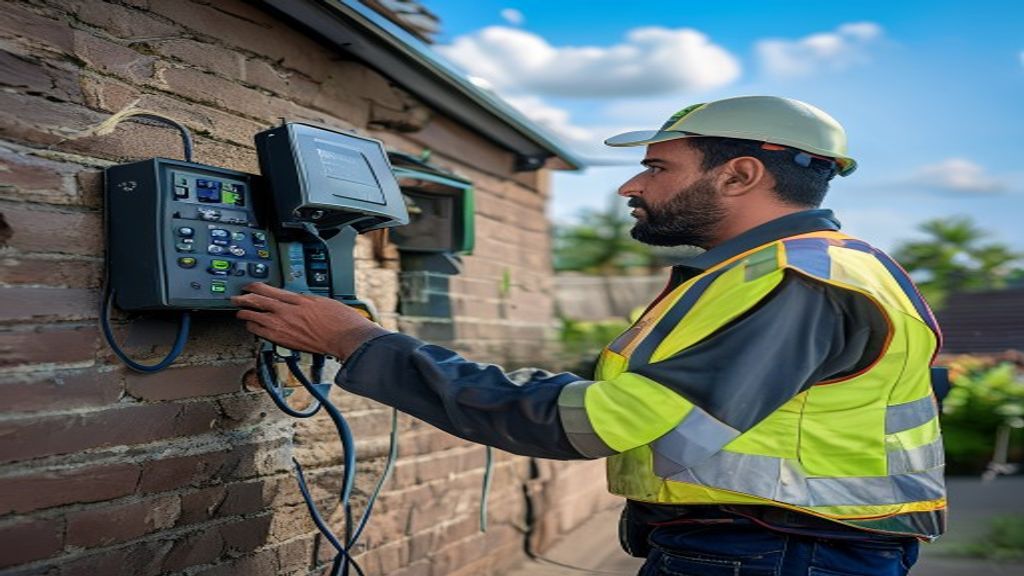
30
Jul
- By Best Solar Company PK
- Net Metering
The Real Cost of Net Metering in Pakistan 2026: Green Meter, Fees & the Rs100k–150k File DISCOs Don't Quote
Net metering isn't just the green meter price. Here's the true all-in cost in Pakistan for 2026 — meter, processing, engineering, and the Rs100,000–150,000 complete file DISCOs never quote upfront.
Read More
30
Jul
- By Best Solar Company PK
- Solar Policy
Solar Energy Wheeling Policy in Pakistan: What It Means for Your Bills in 2026
Pakistan's proposed solar energy wheeling policy could let you generate power at one site and offset bills at another. Here's what it means for homeowners and multi-site businesses under net billing.
Read More
30
Jul
- By Best Solar Company PK
- Buying Guide
The 18% Solar GST Scare: What You Actually Pay in Pakistan (2026)
The feared 18% GST on solar panels never happened — you pay 10% on panels in 2026, plus standard duties on inverters and batteries. Here's the real tax status and whether to buy before the next budget.
Read More
29
Jul
- By Best Solar Company PK
- Buying Guide
Solar Import Duty Hits 20% on 1 Aug 2026: Order Now, Save Big
Pakistan's solar import duty rises to 20% on 1 August 2026. Here's why to place your panel and inverter order now — during the current demand-slump price dip — before landed costs climb.
Read More
29
Jul
- By Best Solar Company PK
- Energy Savings
State Bank's 6% Solar Loan Sells Out in Hours: How to Lock Yours In Before Meezan, Alfalah & HBL Run Dry
The State Bank's subsidised 6% solar refinance loan disappears within hours of each quarterly bank allocation — and under NEPRA's new net-billing rules, the EMI now sits below the electricity bill it replaces. Here's how to secure yours in 2026.
Read More
29
Jul
- By Best Solar Company PK
- Solar Policy
Surplus Power Package vs Solar: Does Solar Still Pay in 2026?
The Power Division's proposed surplus electricity package sells cheaper marginal grid units to lift demand. Here's what it really does to your solar payback math — and why going solar in Pakistan still pays in 2026.
Read More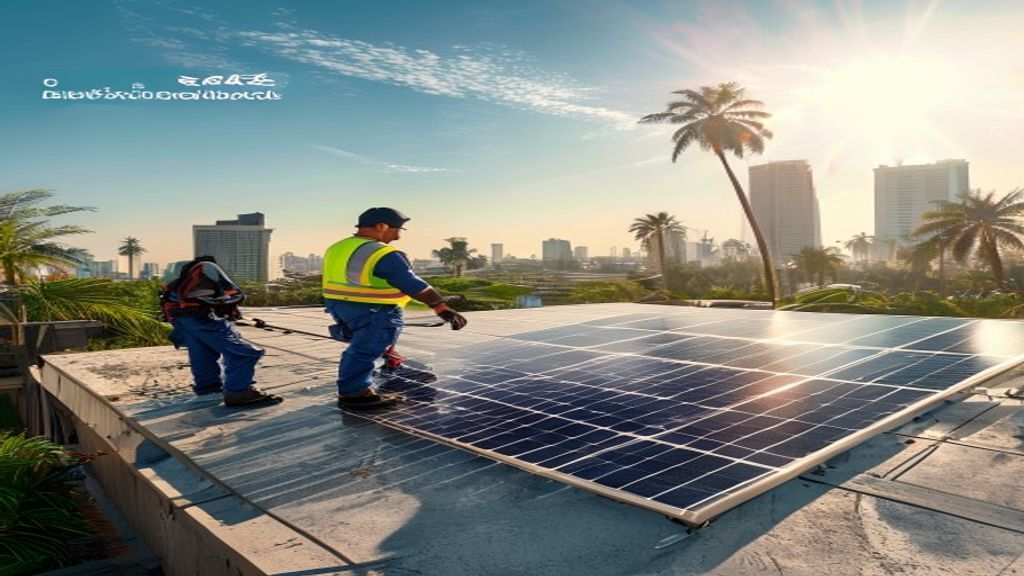
29
Jul
- By Best Solar Company PK
- Buying Guide
Best N-Type Solar Panels in Pakistan 2026: Jinko vs Longi vs Canadian vs Trina
N-type TOPCon panels have slumped to Rs 42–49/watt in mid-2026. We compare Jinko, Longi, Canadian and Trina on price, efficiency and warranty to reveal which brand is the smartest buy right now.
Read More
28
Jul
- By Best Solar Company PK
- Solar Guides
Heatwave, IESCO Outages & Why Solar + Battery Backup Beats a Generator in Rawalpindi–Islamabad
July 2026's brutal heatwave and unscheduled IESCO outages exposed how fragile twin-cities power really is. Here's why a solar battery backup — not another generator — is the smarter fix for Rawalpindi and Islamabad homes, with real 2026 PKR costs.
Read More
28
Jul
- By Best Solar Company PK
- Solar Policy
World Bank's $375.9M Grid Stability Project: Why Rooftop Solar + Battery Is Still Your Fastest Fix for Load-Shedding
The World Bank just approved $375.9M to fix Pakistan's grid — but it's a 10-year project. Here's why rooftop solar plus a battery is still the only near-term answer to load-shedding in 2026.
Read More
28
Jul
- By Best Solar Company PK
- Energy Savings
June 2026 Fuel Cost Adjustment: How Solar Caps Your August Bill Shock
CPPA's Rs1.19/unit June fuel cost adjustment goes to a NEPRA hearing on 29 July — and it will wipe out most of the Rs1.99 QTA relief on your August bill. Here's how solar caps your exposure to these monthly FCA swings.
Read More
27
Jul
- By Best Solar Company PK
- Solar Policy
Sindh's Rs18.2bn Free Solar Scheme: Who Gets the 275,000 Free Kits by June 2027?
Sindh's Rs18.2 billion free solar scheme will hand 275,000 low-income families a 180W panel, lithium battery, fan and LED lights by June 2027. Here's exactly who qualifies — and the most affordable paid alternatives for Karachi homes that miss the list.
Read More
27
Jul
- By Best Solar Company PK
- Solar Policy
Pakistan's Battery Storage Mandate: What the 2026 National BESS Push Means for Your Home Solar System
Islamabad has declared battery storage a strategic priority and made BESS mandatory in its new 800 MW renewable auction. Here's what the national battery push means for home battery prices, IEC quality standards, and whether 2026 is the year to add storage.
Read More
26
Jul
- By Best Solar Company PK
- Solar Guides
Monsoon 2026 Blackouts: Why Solar Battery Backup Beat 330+ Failed Feeders in Karachi and Lahore
The first monsoon spell of 2026 tripped 200+ K-Electric feeders in Karachi and caused faults on 130+ LESCO feeders in flooded Lahore. Here's why homes with hybrid solar battery backup stayed powered — and how to monsoon-proof your own system.
Read More
26
Jul
- By Best Solar Company PK
- Solar Policy
Pakistan's IMF Deal Means Rising Bills Till FY27 — Here's How Solar Locks In Your Rate
Pakistan has assured the IMF it will pass every rupee of fuel-cost changes straight into electricity bills through FY27, and July's Rs0.34/unit FCA hike is just the start. Here's what the full tariff pass-through means for your bill — and how solar lets you opt out of the volatility.
Read More
26
Jul
- By Best Solar Company PK
- Energy Savings
Income-Based Electricity Subsidy Targeting in Pakistan: Who Loses the 200-Unit Shield and Why Solar Timing Matters
Pakistan is moving from 200-unit protected slabs to income-based electricity subsidy targeting under its IMF programme. Here's who loses cross-subsidy protection by January 2027 — and why mid-usage households should size a solar system now.
Read More
25
Jul
- By Best Solar Company PK
- Solar Policy
Pakistan's 200-Unit Electricity Subsidy Ends in January 2027 — Here's the Bill Shock Coming, and How Solar Protects You
Pakistan has given the IMF a written assurance to scrap the blanket 200-unit protected tariff from January 2027, replacing it with BISP-targeted support. Millions of low-usage households face bills that could more than double — and a right-sized solar system installed before the deadline is the most durable hedge.
Read More
25
Jul
- By Best Solar Company PK
- Solar Guides
Punjab Solar Tubewell Scheme Phase 2: How Farmers Can Get Up to Rs 1 Million Subsidy and Slash Irrigation Costs in 2026
Punjab is solarizing 10,000 more agricultural tubewells in Phase 2 of the CM Solarization Programme, offering subsidies of up to Rs 1 million (around 80% of system cost) with the balance payable in easy installments. Here's who qualifies, how to apply online, and what farmers in Multan and Taunsa Sharif can realistically save.
Read More
25
Jul
- By Best Solar Company PK
- Buying Guide
Pakistan's 10-Year Solar Manufacturing Push: Buy Panels Now or Wait for "Made in Lahore"?
Chinese firms have signed Lahore production agreements and a 10-year local solar and battery manufacturing policy is being finalised — but the verified numbers show waiting for cheaper "Made in Pakistan" panels will likely cost you far more than it saves.
Read More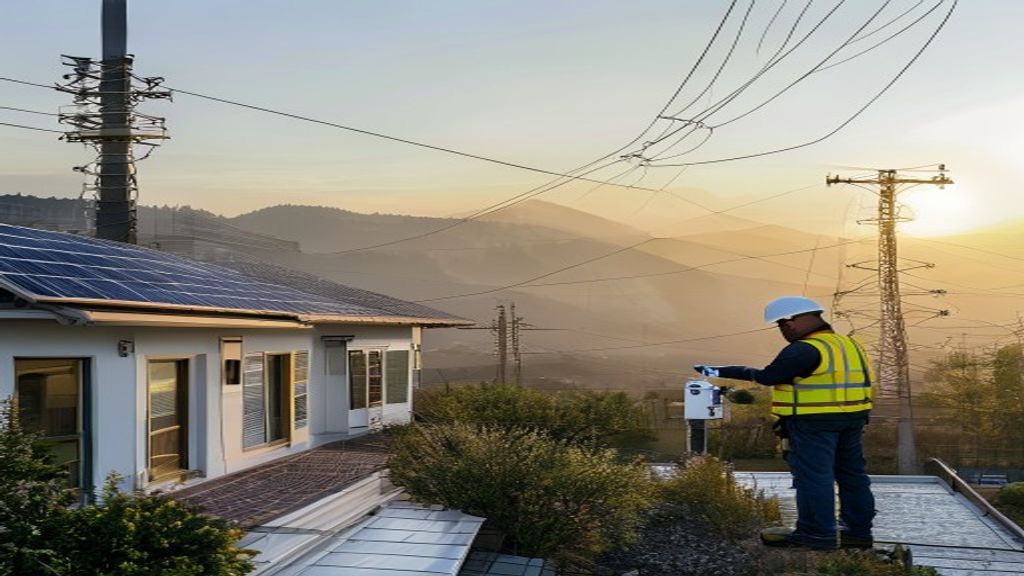
24
Jul
- By Best Solar Company PK
- Solar Policy
IESCO, FESCO and GEPCO Are Being Privatised: What It Means for Net Metering, Tariffs and Your Rooftop Solar
Pakistan has opened Expressions of Interest for the sale of IESCO, FESCO and GEPCO, with bidding due in late 2026. Here is what private DISCOs would actually change — and not change — for solar owners in Islamabad and Rawalpindi.
Read More
24
Jul
- By Best Solar Company PK
- Energy Savings
Your Lower Electricity Bill Is a Mirage: NEPRA's Rs1.98 Relief Ends in August 2026
NEPRA's Rs1.98/unit quarterly relief only runs June–August 2026, and rising fuel cost adjustments are already eating into it. Here's why your bill jumps back in September — and why waiting to go solar keeps costing you real money.
Read More
24
Jul
- By Best Solar Company PK
- Solar Guides
16 Hours in the Dark: Sizing a Hybrid Solar System That Outlasts K-Electric Loadshedding in Karachi
K-Electric promised zero loadshedding during the 2026 heatwave, yet Korangi, Malir and other high-loss areas still face outages stretching into double digits at effective rates of Rs45–70 per unit. Here is how to size a hybrid solar-plus-battery system that keeps fans, fridges and even an AC running — with real July 2026 PKR prices.
Read More
24
Jul
- By Best Solar Company PK
- Buying Guide
Lithium Battery Prices Just Fell Rs30,000: Is July 2026 Pakistan's Best Moment to Add Solar Storage?
Lithium battery prices dropped nearly Rs30,000 and inverters up to Rs10,000 after Budget 2026-27 skipped new solar taxes. With net billing paying only about Rs11 per exported unit, we run the payback math on adding storage right now.
Read More
23
Jul
- By Best Solar Company PK
- Net Metering
Net-Metering File Stuck at Your DISCO? Inside the 1,355-Application Backlog and How to Get Energised Fast in 2026
Thousands of Pakistani solar owners had panels on the roof but no working meter as 1,355 files sat frozen at their DISCOs. Here's what caused the jam, why the date on your file is worth lakhs, and the exact steps to get energised fast.
Read More
23
Jul
- By Best Solar Company PK
- Energy Savings
Beat SNGPL's Winter Gas Cuts: Solar Geysers and Heat Pumps for Punjab Homes
With SNGPL supplying gas for barely eight hours a day this winter, a solar-powered geyser or heat pump can deliver reliable hot water and heating at a fraction of the running cost. Here's the real cost, sizing, and payback for a Punjab home.
Read More
23
Jul
- By Best Solar Company PK
- Solar Guides
Punjab's Smog Season vs Your Solar Panels: Why Winter Output Drops 40–60% and How to Size Around It
During Punjab's Oct–Jan smog and fog, rooftop solar in Lahore and Multan can lose 40–60% of its output. Here's how to size your system — and load-shift — so your winter bills still stay near zero under the new 2026 net-billing rules.
Read More
23
Jul
- By Best Solar Company PK
- Buying Guide
The 200-Unit Trap: How to Right-Size Solar and Stay in the Cheap Protected Slab
In Pakistan, using one unit over 200 can double your electricity bill for six months — and net billing now pays just Rs 11 per exported unit. Here's how to size solar to self-consume and stay in the cheap protected slab.
Read More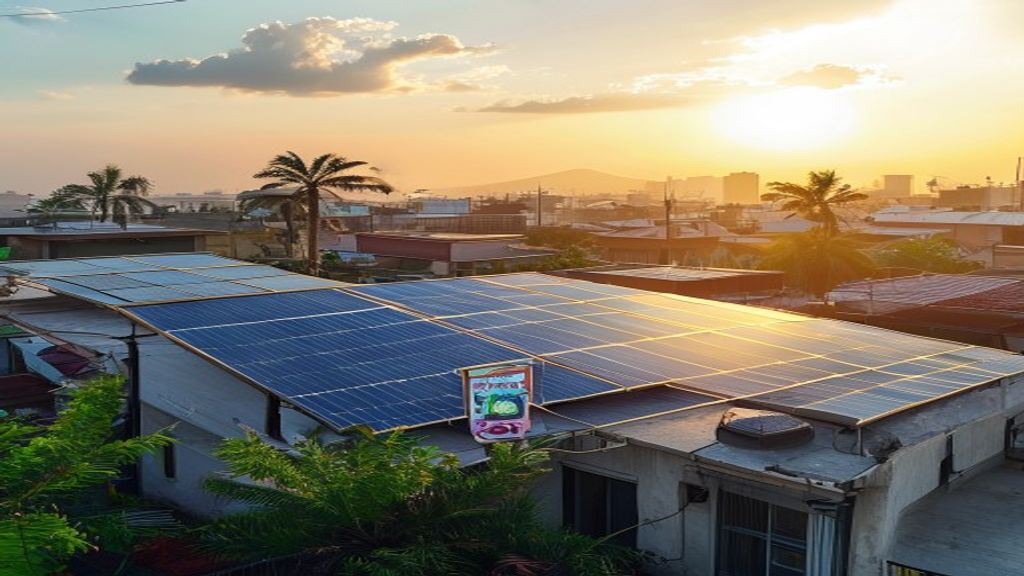
22
Jul
- By Best Solar Company PK
- Solar Policy
The Rs 2.1 Trillion Reason Your Bill Keeps Rising Even When You Use Less
Pakistan's electricity bills are climbing because of fixed capacity payments to power plants — not the units you consume. Here's why using less won't save you, and why rooftop solar has become the only durable hedge.
Read More
22
Jul
- By Best Solar Company PK
- Buying Guide
7,000 MW and Counting: Why Pakistan's Solar Buyers Should Size and Install Before Net Billing Tightens Again
Rooftop solar in Pakistan has crossed roughly 7,000 MW, and NEPRA's new net-billing regime has already cut export rates from about Rs 27 to Rs 8–13 per unit. Here's why sizing and installing sooner protects your savings — and how to do it right.
Read More
22
Jul
- By Best Solar Company PK
- Energy Savings
The FY27 Circular Debt Plan: Why New Per-Unit Surcharges Are Coming — and How Solar Locks In Your Savings
The government's FY27 circular-debt plan keeps servicing a Rs1.9-trillion debt through per-unit surcharges on your bill — and the old 10% cap protecting you is gone. Here's what it means for your rates, and why installing solar now freezes your exposure.
Read More
21
Jul
- By Best Solar Company PK
- Net Metering
The Material Modification Trap: How Upgrading Your Solar System Can Kill Your 1:1 Net Metering
Adding even a few panels to a grandfathered net-metering system can legally void your 1:1 arrangement and drop you onto NEPRA's new low-rate net billing. Here's how the trap works — and how to add capacity safely.
Read More
21
Jul
- By Best Solar Company PK
- Buying Guide
Is It Too Late for Net Metering? A Pakistani Solar Buyer's Real Options in Mid-2026
Since NEPRA's February 2026 rules, new solar applicants get net billing (roughly Rs8–11 buyback) instead of 1:1 net metering. Here's what that actually means for your payback — and how to design a system that still makes financial sense.
Read More
21
Jul
- By Best Solar Company PK
- Solar Policy
Why the PM Wants Solar Users' Costs Off 37.6 Million Grid Bills — And What It Means Before You Install
The government says 466,000 solar users are shifting Rs223 billion in costs onto 37.6 million grid-only consumers, and NEPRA's new net-billing rules are the response. Here's what changed, who's protected, and why timing your install still matters.
Read More
21
Jul
- By Best Solar Company PK
- Net Metering
NEPRA Cut Prosumer Contracts to 5 Years: What It Means for Your Solar Payback and System Size
NEPRA's 2026 Prosumer Regulations shortened solar grid agreements from 7 years to 5 and replaced net metering with net billing. Here's how the shorter term reshapes payback math and the right system size for new buyers.
Read More
21
Jul
- By Best Solar Company PK
- Energy Savings
Why Your Solar Bill Can Never Reach Zero in 2026: NEPRA's New Fixed Charges Explained
NEPRA's new Rs200–675 fixed monthly charges now hit every meter — including solar homes and three-phase connections — so even a house that exports more than it imports still gets a bill. Here's exactly what it costs and how to keep it as low as possible.
Read More
21
Jul
- By Best Solar Company PK
- Buying Guide
Net Billing Killed the Export Bonus. Here's Why Solar + Battery Still Pays Back in 3–5 Years
With NEPRA slashing export payments to single-digit rupees, the money is no longer in selling power to the grid — it's in not buying it. Here's the honest self-consumption math for Pakistani homes and businesses, even after lithium batteries jumped ~48% on duties.
Read More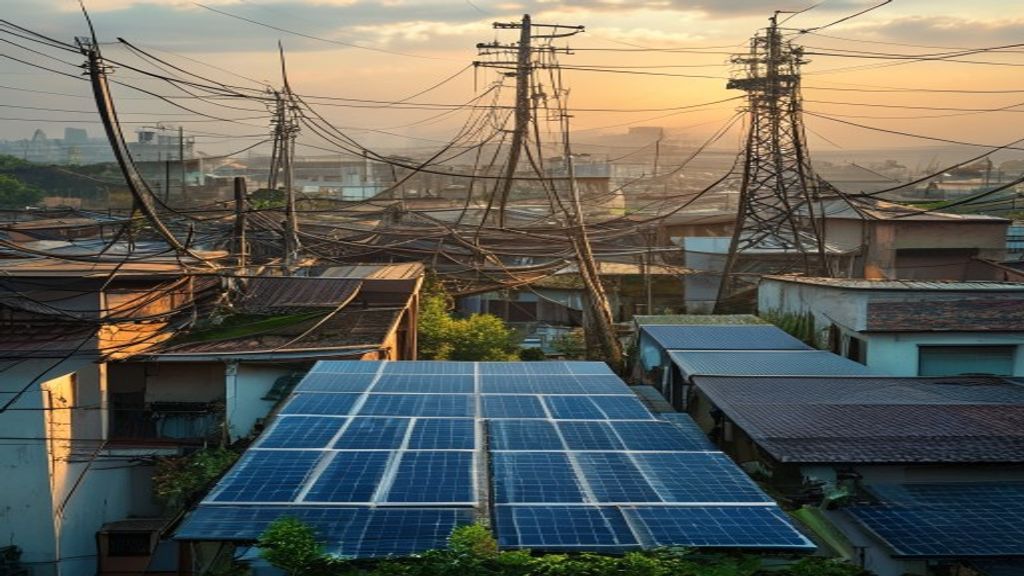
21
Jul
- By Best Solar Company PK
- Solar Policy
The Utility Death Spiral: Why Your Grid Bill Keeps Rising as Others Go Solar
As Pakistan's high-bill households defect to rooftop solar, at least PKR 159 billion in grid costs has already been pushed onto everyone else — and that number is climbing fast. Here's why waiting to go solar means paying for the exit of those who left before you.
Read More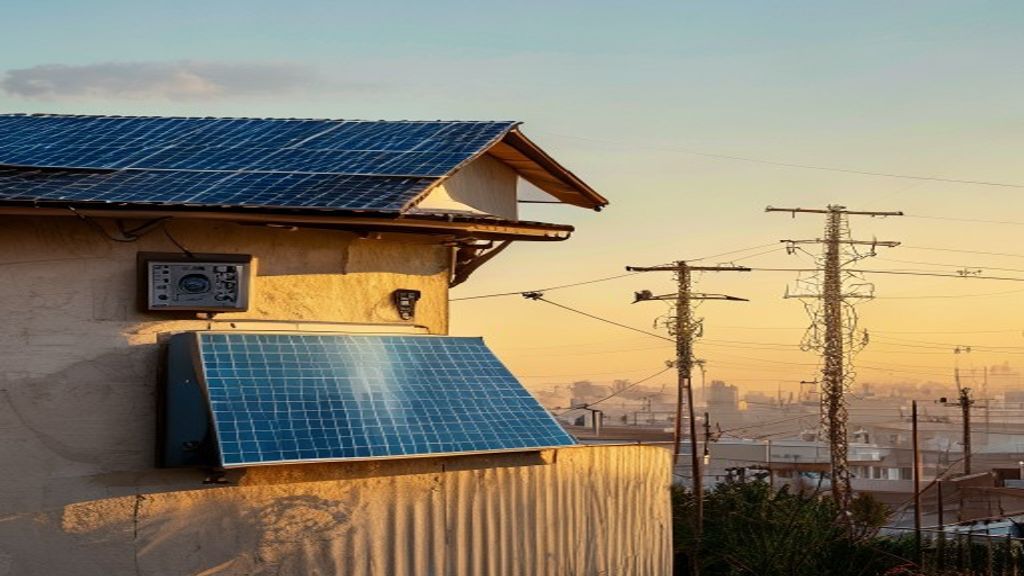
21
Jul
- By Best Solar Company PK
- Solar Policy
NEPRA's Gross Metering Shift: What the Rs 11.30/Unit Feed-in Tariff Really Means for Your Solar System
NEPRA wants new rooftop solar owners to sell every exported unit at a fixed Rs 11.30 instead of swapping units at retail rates. Here's how gross metering works, why it's not the same as net billing, and who loses out.
Read More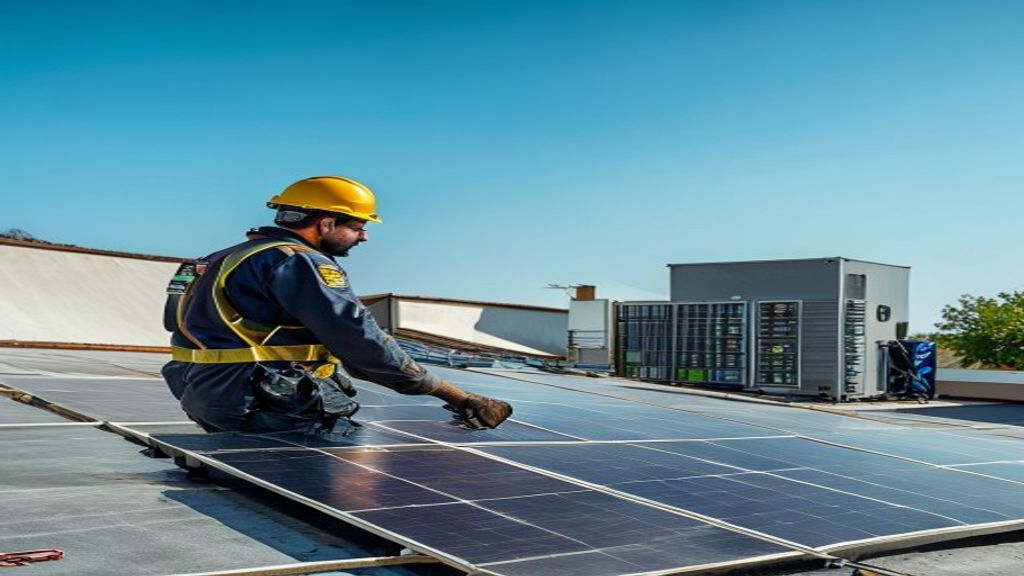
21
Jul
- By Best Solar Company PK
- Buying Guide
Solar Just Got Cheaper: Why the Scrapped 18% GST Makes Now the Time to Buy
The feared 18% GST on solar panels, lithium batteries and inverters was dropped from Pakistan's 2026-27 Finance Bill, and the panic-driven price spike has reversed. Here's what a system costs today and why waiting could cost you money.
Read More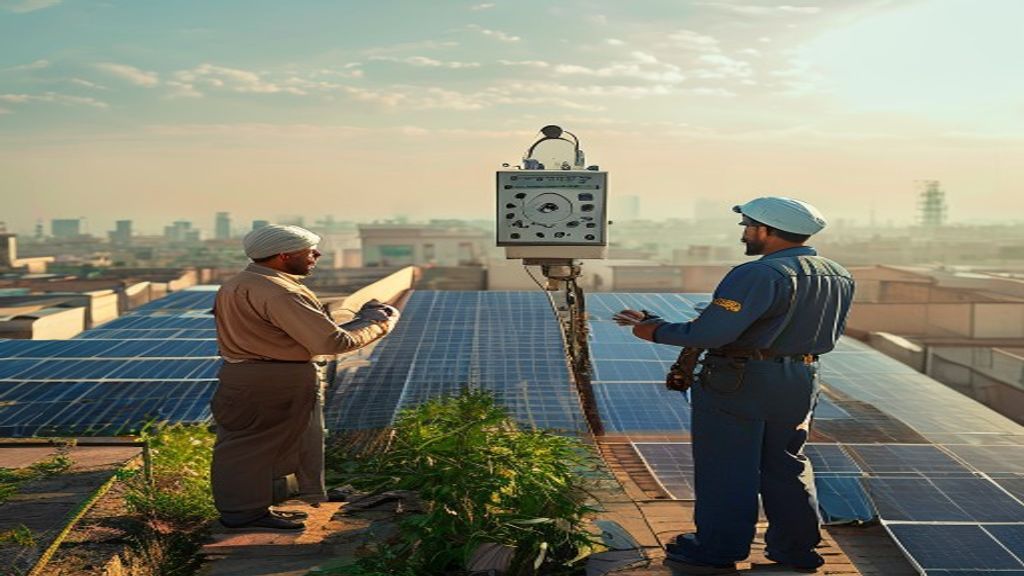
21
Jul
- By Best Solar Company PK
- Solar Policy
Keep Your Rs 22 Solar Rate: What Existing Net-Metering Owners Must Do After the PM's NEPRA Order
After PM Shehbaz Sharif intervened, NEPRA has protected existing net-metering users at their old ~Rs 22 rate until their agreements expire. Here is exactly what current solar owners must do to lock in that protection and avoid slipping into the new low-rate net-billing regime.
Read More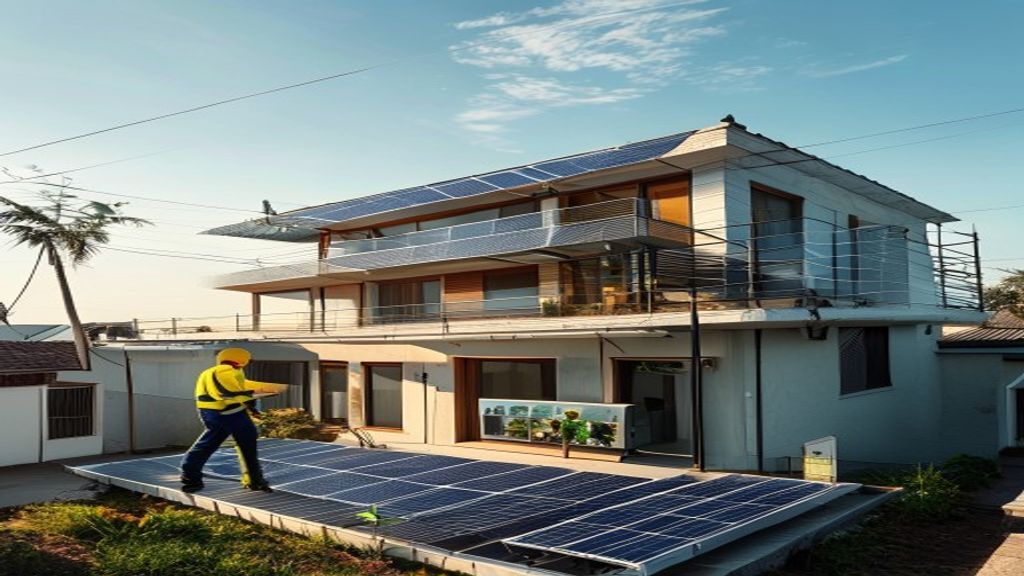
21
Jul
- By Best Solar Company PK
- Energy Savings
Net-Billing Just Changed the Math: How to Keep Your Solar Payback Under 3 Years in Pakistan
NEPRA's switch from net metering to net billing slashed what your grid exports are worth — but self-consumption still saves you the full tariff. Here's how the new numbers change your ROI and how to recover your investment fast.
Read More
17
Jul
- By Best Solar Company PK
- Net Metering
Rs 8.13 Per Unit: What NEPRA's 2026 Buyback Cut Really Means for Your Solar Payback
NEPRA has slashed the solar export rate for new consumers to around Rs 8.13 per unit under its 2026 net-billing rules. Here's the honest math on payback — and why solar is still one of the best investments in Pakistan.
Read More
17
Jul
- By Best Solar Company PK
- Solar Policy
The New "Two-Part" Industrial Tariff: How Pakistan Plans to Tax Factories for Going Solar — And What to Do About It
Islamabad has shared a two-part industrial power tariff with the IMF that rewards factories drawing more from the grid and hits those who cut consumption after installing solar. Here's how it works and how businesses should respond.
Read More
17
Jul
- By Best Solar Company PK
- Energy Savings
Beat the New Net Billing: A Practical Guide to Running Your Heavy Appliances on Free Solar Hours
Now that NEPRA pays just ~Rs 11 for exported solar units while self-use saves you Rs 22–27, the smart move is to run ACs, geysers, pumps and other heavy loads while the sun is up. Here's exactly how to time them.
Read More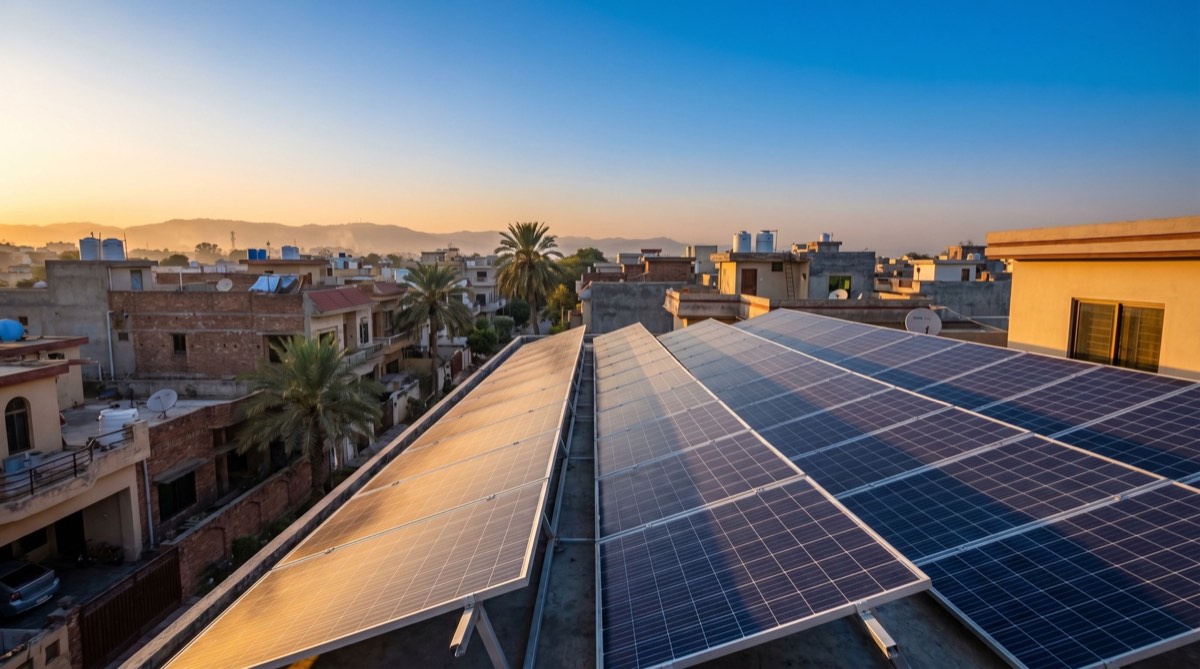
15
Jul
- By Best Solar Company PK
- Solar Guide
How to Reduce Your Electricity Bill in Pakistan (2026): 10 Practical Ways
Electricity bills in Pakistan keep climbing. Here are 10 practical ways to cut your bill in 2026 — from simple habits to the one change that eliminates most of it.
Read More
15
Jul
- By Best Solar Company PK
- Solar Guide
Why Your Electricity Bill Keeps Going Up in Pakistan (FCA, Taxes & Surcharges Explained)
Your slab rate says one thing but your bill says another. Here is what all those extra charges on your Pakistani electricity bill actually are — and how to escape them.
Read More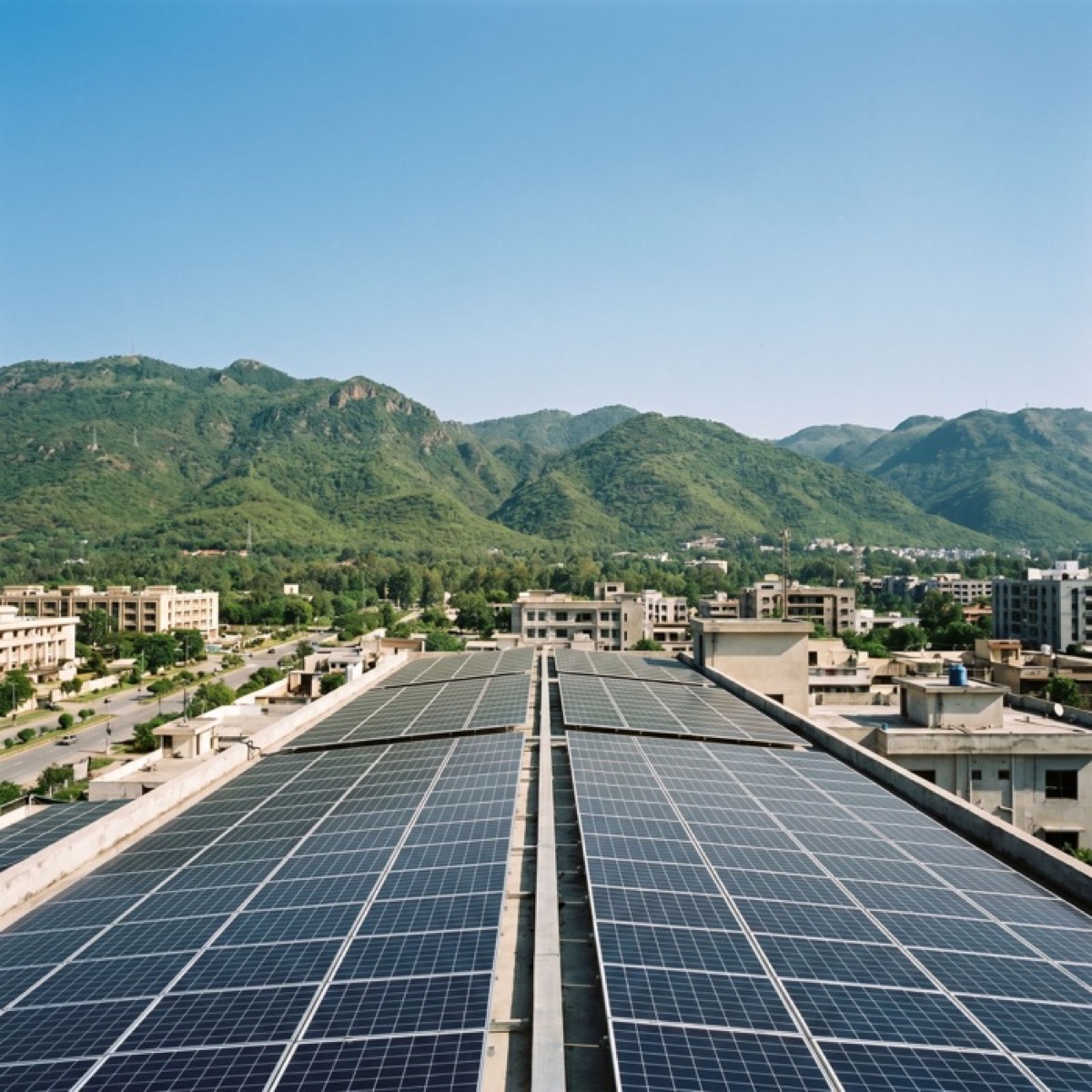
15
Jul
- By Best Solar Company PK
- Solar Guide
Rising Fuel Prices in Pakistan: Why Solar Beats a Generator
With petrol and diesel prices climbing, running a generator through load-shedding is getting painfully expensive. Here is why solar with a battery is the smarter backup.
Read More
14
Jul
- By Best Solar Company PK
- Inverters
Best Solar Inverter Brands in Pakistan 2026: How to Choose the Right One
The inverter is the brain of your solar system. Here are the inverter brands widely used in Pakistan in 2026 and, more importantly, how to pick the right one for your home.
Read More
14
Jul
- By Best Solar Company PK
- Solar Guide
How Much Electricity Does a Solar System Produce in Pakistan? (Units per kW)
A simple guide to how many units (kWh) a solar system generates in Pakistan — per kilowatt and by system size — plus the factors that push it up or down.
Read More
14
Jul
- By Best Solar Company PK
- Solar Guide
How to Choose a Solar Company in Pakistan: A Buyer’s Checklist
The company that installs your solar matters as much as the equipment. Use this checklist to pick a solar installer in Pakistan you can actually trust.
Read More
14
Jul
- By Best Solar Company PK
- Solar Guide
Common Solar Scams and Mistakes to Avoid in Pakistan
The solar boom has brought cowboys and cut corners. Here are the most common solar scams and costly mistakes in Pakistan — and how to protect yourself.
Read More
14
Jul
- By Best Solar Company PK
- Solar Guide
Do Solar Panels Work in Monsoon and Cloudy Weather in Pakistan?
Worried your panels will stop working in the monsoon? Here is how solar really performs in cloudy and rainy weather in Pakistan — and how to keep power flowing.
Read More
13
Jul
- By Best Solar Company PK
- Solar Guide
How Many Solar Panels Do You Need to Run an AC in Pakistan? (1, 1.5 & 2 Ton)
Running your AC on solar is the number-one reason Pakistanis go solar. Here is how many panels you actually need for a 1, 1.5 or 2 ton inverter AC — and why your base load matters.
Read More
13
Jul
- By Best Solar Company PK
- Solar News
NEPRA Raises Electricity Tariff Again (July 2026): What It Means for Your Bill
NEPRA has increased electricity rates reflected in July 2026 bills. Here is what changed, why bills keep climbing, and how solar protects you from the next hike.
Read More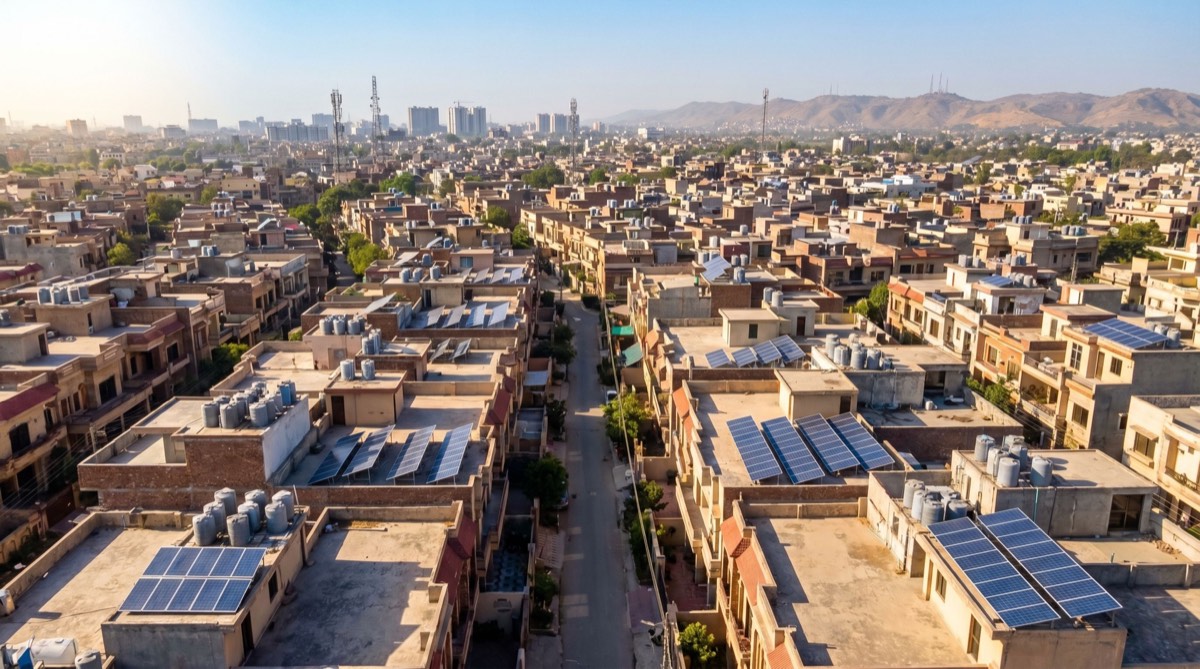
13
Jul
- By Best Solar Company PK
- Solar Guide
Solar Hybrid ACs vs Running Your AC on Solar Panels: Which Is Better in Pakistan?
Solar-hybrid ACs plug straight into panels, while a full solar system can run any AC. Here is how the two approaches compare — and which makes more sense for your home.
Read More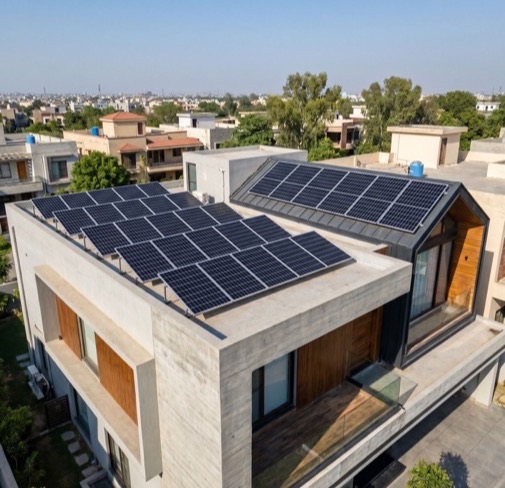
09
Jul
- By Best Solar Company PK
- Solar News
CM Punjab Free Solar Panel Scheme (Roshan Gharana) 2026: Eligibility & How to Apply
Punjab’s Roshan Gharana scheme gives free solar systems to low-income households. Here is who qualifies, what you get, how to apply — and your options if you don’t.
Read More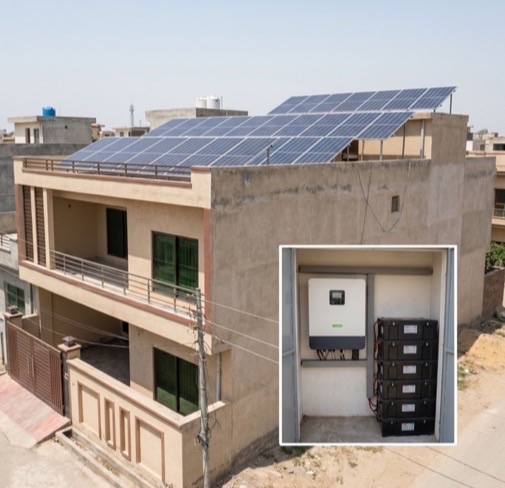
09
Jul
- By Best Solar Company PK
- Solar News
Solar & Storage Expo 2026 Comes to Lahore (10–12 July): What to Expect
Pakistan’s biggest solar event returns to the Lahore Expo Centre from 10–12 July 2026, with 140+ local and international brands. Here is what is on show.
Read More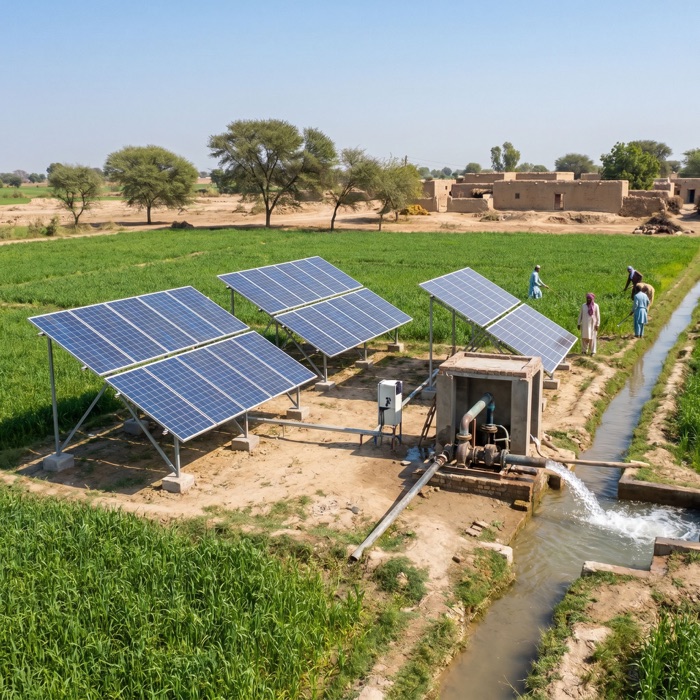
09
Jul
- By Best Solar Company PK
- Solar Guide
Solar on Installments in Pakistan 2026: Bank Financing Options Explained
You don’t need the full amount upfront to go solar. Here is how solar financing and installment plans work in Pakistan in 2026 — and why the EMI can be less than your bill.
Read More
08
Jul
- By Best Solar Company PK
- Net Metering
NEPRA Net Billing Rules 2026: What Pakistan’s New Solar Policy Means for You
Pakistan has replaced net metering with net billing under NEPRA’s 2026 Prosumer Regulations. Here is what changed, who is protected, and how to keep your solar savings high.
Read More
07
Jul
- By Best Solar Company PK
- Solar News
Good News for Solar: NEPRA Scraps the Licence & Fee for Systems Under 25kW
After public backlash over “taxing sunlight,” NEPRA has removed the licence requirement and Rs 1,000/kW fee for solar systems up to 25kW. Here is what it means for homeowners.
Read More
06
Jul
- By Best Solar Company PK
- Solar Panels
Solar Panel Prices in Pakistan — July 2026 Update (Per-Watt Rates & Why They’re Moving)
Solar panel prices shifted in mid-2026 on budget uncertainty and rising material costs. Here are the latest indicative per-watt rates and what is driving them.
Read More
07
Jul
- By Best Solar Company PK
- Solar Guide
Solar System Price in Pakistan 2026: 5kW, 10kW & 15kW Cost Guide
What does a solar system really cost in Pakistan in 2026? Here is how 5kW, 10kW and 15kW systems are priced, what drives the cost, and how to get an accurate quote.
Read More
06
Jul
- By Best Solar Company PK
- Net Metering
How to Apply for Net Metering in Pakistan: A Step-by-Step Guide
Net metering lets you send surplus solar power to the grid and cut your bill. Here is the step-by-step application process for IESCO, LESCO, MEPCO and K-Electric.
Read More
05
Jul
- By Best Solar Company PK
- Solar Guide
Best Solar System for Your Home in Pakistan: 2026 Buyer’s Guide
From system type to sizing, inverter and battery choice — everything you need to pick the best solar system for your home in Pakistan in 2026.
Read More
04
Jul
- By Best Solar Company PK
- Commercial
Commercial Solar in Pakistan: How Businesses Slash Electricity Costs
Rising tariffs and load-shedding hit businesses hard. Here is how commercial solar cuts operating costs for factories, offices and warehouses — and what to expect.
Read More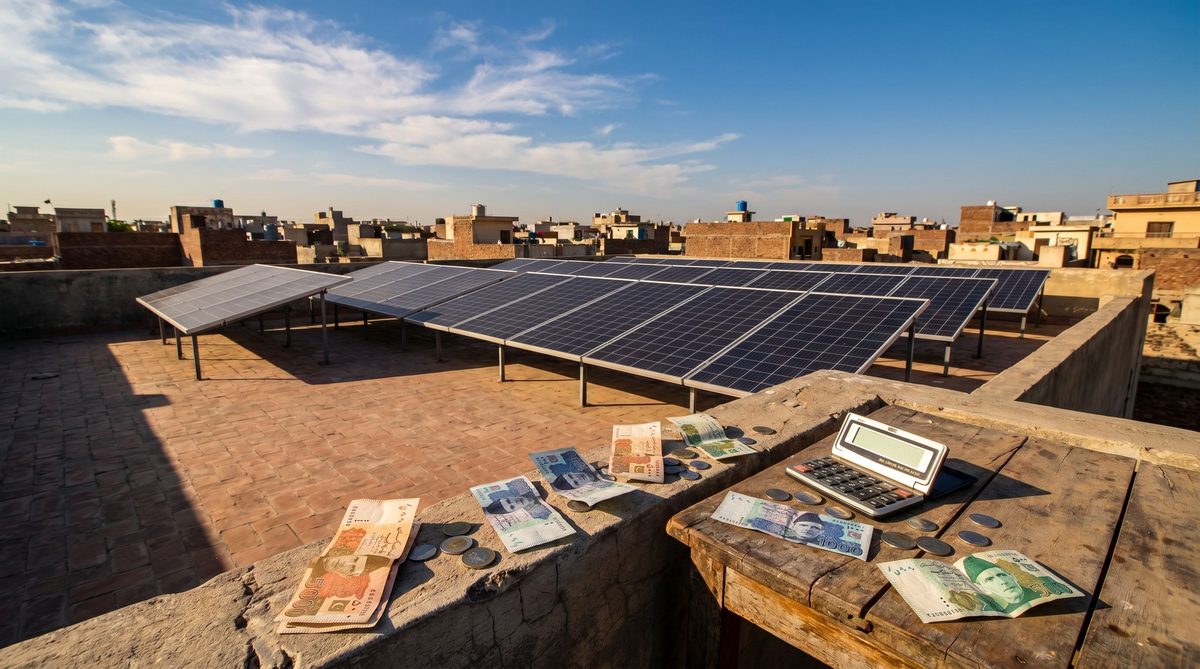
23
Jun
- By Best Solar Company PK
- Solar News
Pakistan Budget 2026‑27 and Solar: What It Means for Panel, Inverter and Battery Prices
The 2026‑27 federal budget put solar in the spotlight — a feared 18% tax on panels, duties on inverters and batteries, and a pre-budget price scare. Here is what actually changed and what it means for going solar.
Read More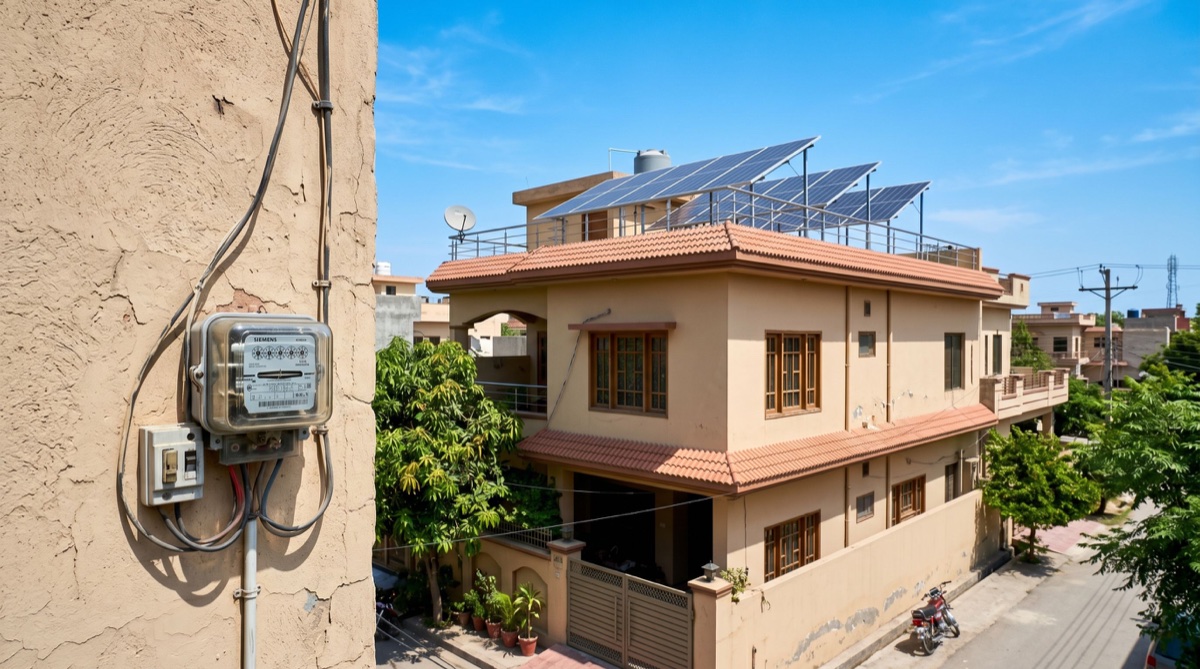
18
Jun
- By Best Solar Company PK
- Net Metering
Net Metering vs Net Billing in Pakistan 2026: What Changed and Is Solar Still Worth It?
Pakistan has moved from net metering to a net-billing model with a lower buyback rate. Here is what it means for your solar savings — and why going solar still pays off.
Read More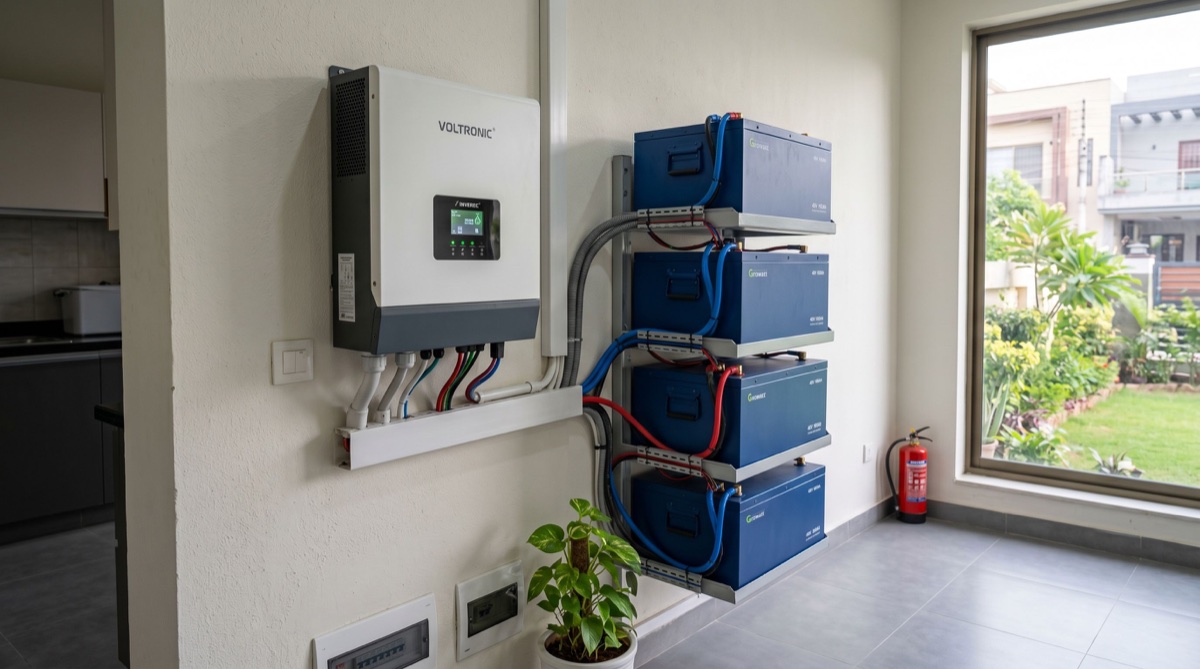
15
Jun
- By Best Solar Company PK
- Inverters
Why Hybrid Inverters Are the Best Choice for Pakistani Homes in 2026
Hybrid inverters keep your lights on during load-shedding, store solar power for the night, and adapt to the new net-billing rules. Here is why they have become the default choice.
Read More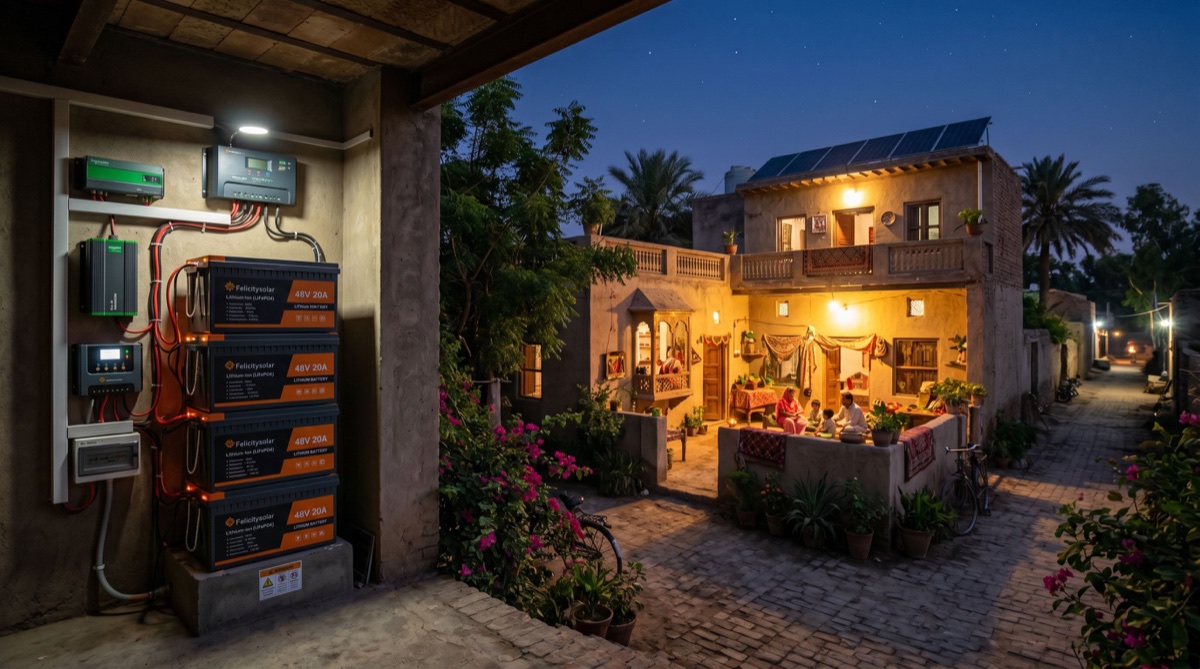
11
Jun
- By Best Solar Company PK
- Batteries
Beat Load-Shedding: How Solar + Battery Storage Keeps You Powered Day and Night
Pairing solar panels with a battery means your home runs on clean energy even when the grid is down. Here is how a solar-plus-storage system works and what it can power.
Read More
08
Jun
- By Best Solar Company PK
- Solar Guide
How to Choose the Right Solar System Size (kW) for Your Home
A 5kW, 10kW or 15kW system? Picking the right size is the most important decision for your savings and backup. Here is a simple way to get it right.
Read More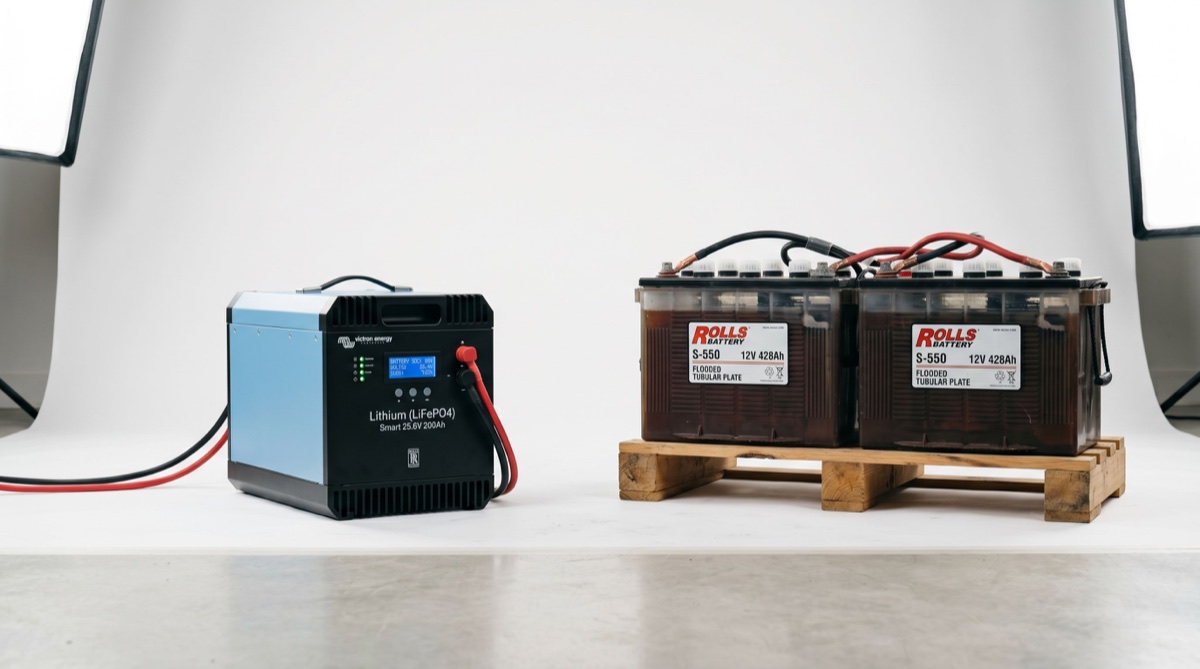
04
Jun
- By Best Solar Company PK
- Batteries
Lithium vs Tubular Batteries for Solar: Which Should You Buy?
Lithium batteries cost more upfront but last longer and need no maintenance. Tubular batteries are cheaper to start. Here is how to choose the right one for your solar system.
Read More
30
May
- By Best Solar Company PK
- Solar Panels
What Really Affects Solar Panel Prices in Pakistan
Solar prices move with global supply, the rupee, panel technology and installation quality. Here is what drives the cost so you can budget — and buy — wisely.
Read More
26
May
- By Best Solar Company PK
- Maintenance
7 Maintenance Tips to Keep Your Solar Panels Performing in Pakistan
Dust, heat and birds can quietly steal your solar output. These seven simple maintenance habits keep your system producing at its best all year round.
Read More
21
May
- By Best Solar Company PK
- Technology
Bifacial and N-Type Solar Panels: The Latest Technology Explained
Newer bifacial and N-type panels squeeze more power out of the same roof space. Here is what these technologies mean and whether they are worth it for you.
Read More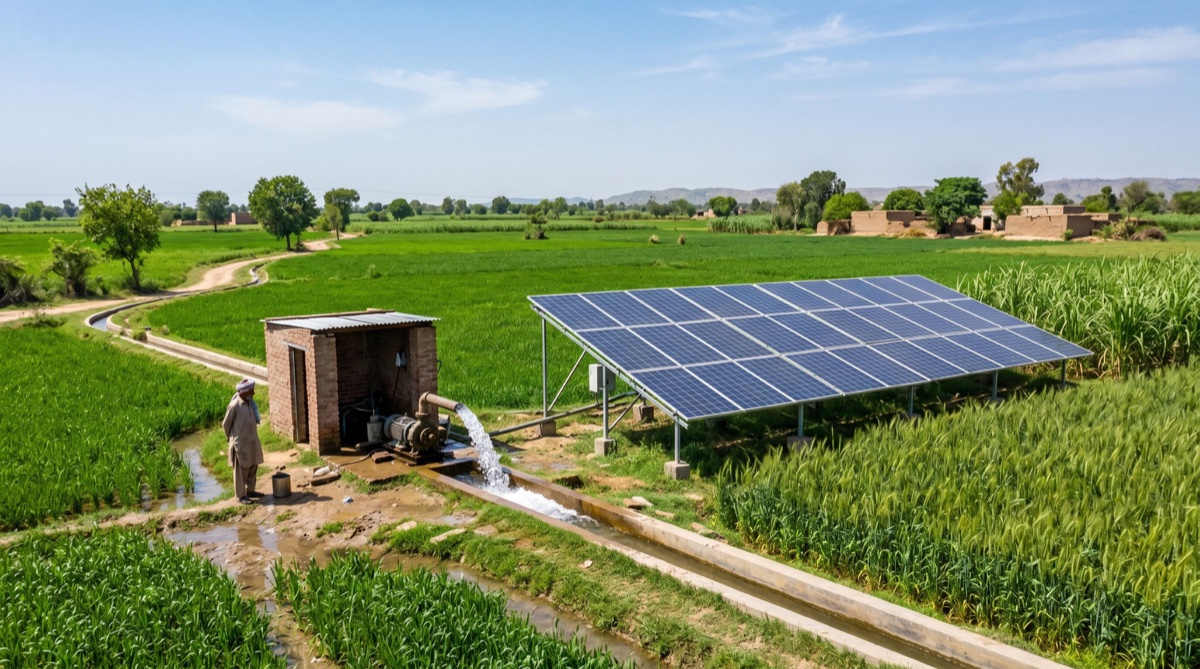
16
May
- By Best Solar Company PK
- Agriculture
Solar for Tube Wells and Farms: Cutting Agricultural Power Costs
Diesel and grid power are crippling costs for farmers. Solar tube-well systems pump water for free during the day — here is how they work and what they save.
Read More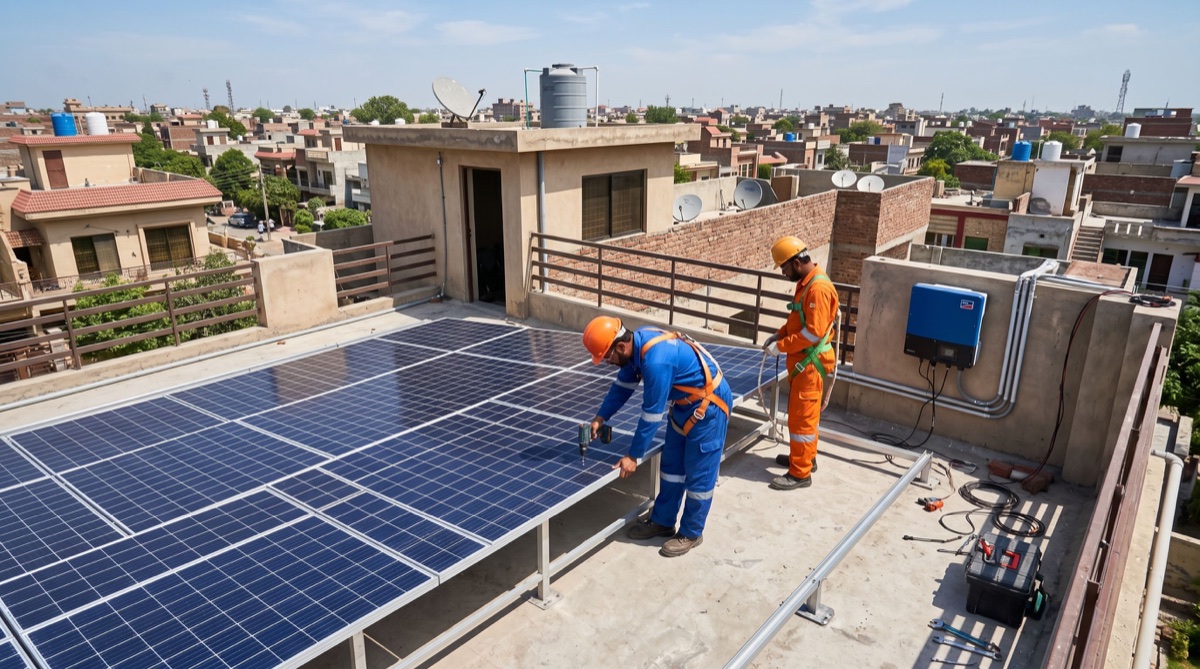
10
May
- By Best Solar Company PK
- Solar Guide
On-Grid, Off-Grid or Hybrid: Which Solar System Is Right for You?
The three main solar system types suit very different needs. This quick guide helps you decide which one fits your home, your budget and your area.
Read More