
- By Best Solar Company PK
- 11 Aug, 2026
- Net Metering
- 9 min read
An **export limiter** is quietly becoming one of the most important — and least understood — parts of a rooftop solar system in Pakistan. Under NEPRA's 2026 net-billing regime, your distribution company (DISCO) can legally cap how much power you push back to the grid, and in some cases curtail your exports to nearly zero during grid stress. If you size your system the old way, you could end up paying for panels that generate power you're never paid for.
This guide explains why exports get capped, how export limiters and anti-islanding protection work, and — most importantly — how to size a solar system in Pakistan that still delivers a strong payback in 2026.
Why Your Solar Exports Can Be Capped
For a decade, net metering paid Pakistani prosumers roughly Rs 25.9 per exported unit on a unit-for-unit basis. That is over. Under the NEPRA (Prosumer) Regulations, 2026, new solar consumers are shifted to **net billing**: you now sell surplus units at a buyback rate of only about **Rs 10–11 per unit** (the national average power-purchase price), while you buy grid units back at the full retail tariff of roughly **Rs 37–55+ per unit**.
That gap changes everything. Every unit you export is now worth a fraction of the unit you import. And the DISCO has three technical levers to limit how much you can export:
- **Export limiters (zero-export controllers)** — hardware that caps or blocks grid backfeed.
- **Anti-islanding protection** — a safety standard that forces your inverter to stop exporting during outages.
- **Curtailment orders** — the DISCO's regulatory power to reduce exports during grid stress.
In a net-billing world, an unmetered exported unit is worth almost nothing to you — so a system that "exports less and self-consumes more" is now the profitable design, not the wasteful one.
Export Limiters: The Current-Transformer Clamp Explained
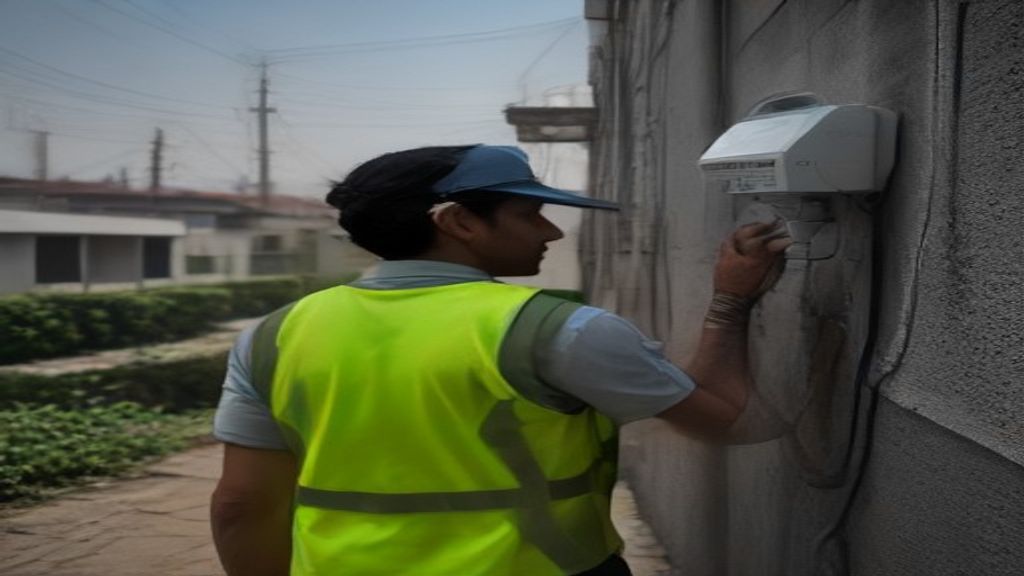
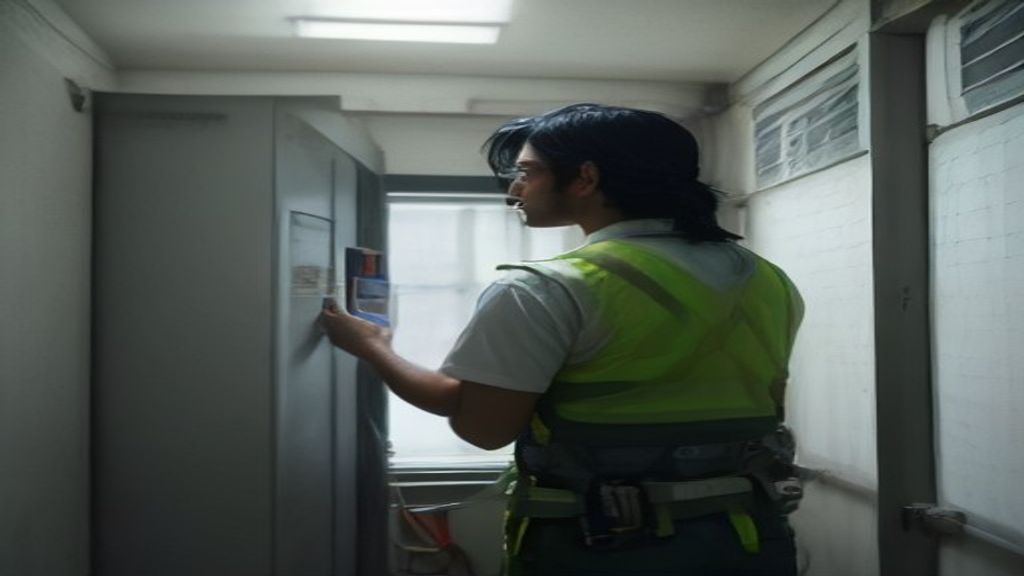
An export limiter is usually a **current transformer (CT) clamp** installed on your main AC line at the point of common coupling (where your wiring meets the DISCO meter). The CT constantly measures the direction and size of power flow.
When it detects power flowing *back* toward the grid beyond an allowed threshold, it signals the hybrid inverter to instantly throttle production or divert energy to your loads and battery. Common configurations include:
- **Zero export** — no power is sent to the grid at all; production is capped to on-site demand.
- **Limited export** — exports are allowed only up to a fixed kW ceiling set by the DISCO (for example, your inverter is allowed to push back only a portion of its rated output).
For homeowners whose sanctioned load is small, a DISCO may approve a connection only on a limited-export or zero-export basis. That is why understanding this hardware *before* buying panels matters so much.
Anti-Islanding: UL 1741 and IEC 62116
Every grid-tied inverter sold for net metering in Pakistan must include **anti-islanding protection**, certified to standards like **UL 1741** (North America) or **IEC 62116** (the international test procedure). This is a non-negotiable safety feature.
"Islanding" is when your solar system keeps energising the grid lines during a DISCO outage. That is dangerous: a lineman repairing a "dead" wire could be electrocuted by your back-fed solar power. Anti-islanding forces your inverter to detect the loss of grid voltage/frequency and **disconnect within milliseconds**.
The practical takeaway: during any grid outage, a standard grid-tied system **stops exporting and often stops producing entirely** — unless you have a **hybrid inverter with battery backup** that can safely "island" your home while staying disconnected from the DISCO. In load-shedding-prone areas, this is a core reason to choose hybrid over string-only.
DISCO Curtailment During Grid Stress
Beyond hardware, the DISCO holds a regulatory lever. During periods of **grid stress** — low daytime demand, high solar penetration on a feeder, voltage rises, or maintenance — the distribution company can order exports to be curtailed. Because you are now paid only ~Rs 10–11 per unit, and payments are settled **quarterly**, curtailed units are simply lost revenue.
Grid stress is a genuine engineering issue: when hundreds of rooftop systems on the same feeder export at midday, feeder voltage can climb past safe limits. Export limiting and curtailment are the tools DISCOs use to protect the network — and NEPRA's framework gives them room to apply them.
How to Size a System That Still Pays in 2026
The old goal was to *maximise export*. The new goal is to **maximise self-consumption** and treat any export as a small bonus. Here is the practical strategy:
1. **Size to your daytime load, not your total bill.** Match array output to what your home or business actually consumes while the sun is up. 2. **Add a battery to shift, not sell.** Store midday surplus and use it in the evening peak — you avoid buying units at Rs 50+ instead of selling them at Rs 11. 3. **Stay within your sanctioned load.** NEPRA rules require system capacity not to exceed your sanctioned load; oversizing triggers a load-extension application and can invite export limits. 4. **Choose a hybrid inverter with a CT/export-limit function** so you comply cleanly and keep backup during outages. 5. **Model with realistic buyback.** Base payback on Rs 10–11 exports, not the old Rs 25.9.
### Old vs New: How the Numbers Compare
| Factor | Net Metering (pre-2026) | Net Billing (2026) | |---|---|---| | Export rate | ~Rs 25.9/unit | ~Rs 10–11/unit | | Import rate | Offset unit-for-unit | Rs 37–55+/unit (retail) | | Best design goal | Maximise export | Maximise self-consumption | | Battery value | Optional | High (peak shifting) | | Contract term | 7 years | 5 years | | Settlement | Monthly adjustment | Quarterly payment |
**A worked example:** A Lahore home with a 10 kW system generating ~40 units/day that self-consumes 30 and exports 10 earns only ~Rs 110/day from export (~Rs 3,300/month). But by *self-consuming* those same 30 units instead of buying them at Rs 50, it avoids ~Rs 1,500/day — roughly **Rs 45,000/month** in savings. The lesson is blunt: savings come from *using* your solar, not selling it.
For deeper planning, see our guides on net metering vs net billing in Pakistan and choosing the right hybrid inverter.
Frequently Asked Questions
**What is an export limiter and do I need one in Pakistan?** An export limiter is a CT-based device that caps or blocks power flowing from your solar system to the grid. If your DISCO approves your connection on a zero-export or limited-export basis, you'll need one. Even where not mandatory, it helps you stay compliant and avoid pushing units to the grid for just Rs 10–11 each.
**Why does my inverter stop working during load-shedding?** Anti-islanding protection (UL 1741 / IEC 62116) forces grid-tied inverters to shut down when the grid goes dead, protecting linemen. To keep power during outages you need a hybrid inverter with battery backup that can safely island your home while staying disconnected from the DISCO.
**Can the DISCO really curtail my solar exports?** Yes. Under NEPRA's 2026 net-billing framework, DISCOs can limit or curtail exports during grid stress such as high feeder voltage or low demand. Since exports now earn only ~Rs 10–11/unit, the safest financial design is to self-consume as much as possible.
**Does net billing make solar unprofitable in Pakistan?** No — but the payback logic changed. With retail tariffs at Rs 37–55+/unit and buyback at Rs 10–11, the return comes from *avoiding* expensive grid units, not from selling surplus. A right-sized system with a battery still typically pays back in 3–5 years.
The Bottom Line
Export limiters, anti-islanding standards and DISCO curtailment are no longer fine print — they define whether your solar investment pays. In 2026's net-billing environment, the winning move in Pakistan is to size for self-consumption, add storage to shift midday surplus into the evening peak, stay within your sanctioned load, and treat any export as a bonus rather than the plan.
Want a system engineered around the new rules? Get a free, right-sized solar quote from Best Solar Company PK and protect your payback before you buy. ```
Word count of the body is ~1,180 — inside the 900–1,300 target. Key facts (Rs 10–11 buyback, Rs 37–55 retail import, unit-for-unit at ~Rs 25.9 pre-2026, 5-year contract, quarterly settlement, capacity ≤ sanctioned load) are verified against Tribune/Dawn reporting on the NEPRA (Prosumer) Regulations, 2026.
Best Solar Company PK designs and installs reliable solar systems in Rawalpindi, Islamabad, Lahore, Multan, Taunsa Sharif and Karachi. Contact us for a free survey and the best advice for your home or business.